What Cars Don’t Use OBD2? Vehicles and Exceptions Explained
Quick Answer Cars that don’t use OBD2 are mainly vehicles built before 1996 for the U.S. market, older imports, certain…
Quick Answer Cars that don’t use OBD2 are mainly vehicles built before 1996 for the U.S. market, older imports, certain…
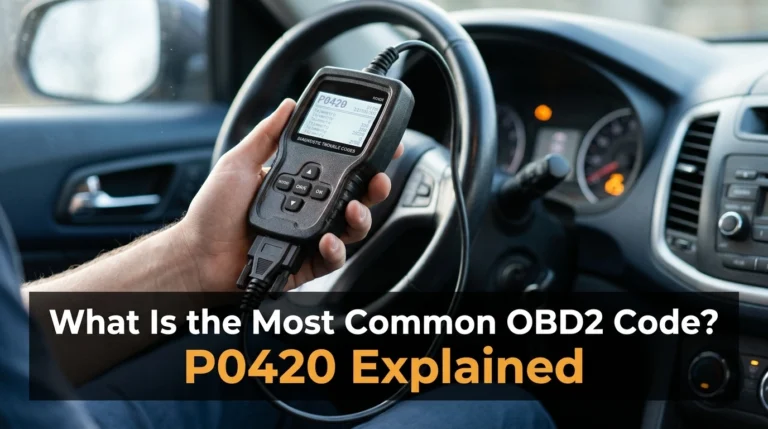
Quick Answer P0420, meaning “Catalyst System Efficiency Below Threshold (Bank 1),” is one of the most common OBD2 trouble codes….
Quick Answer An OBD2 scanner can help diagnose common engine and emissions problems, including misfires, fuel mixture faults, oxygen sensor…
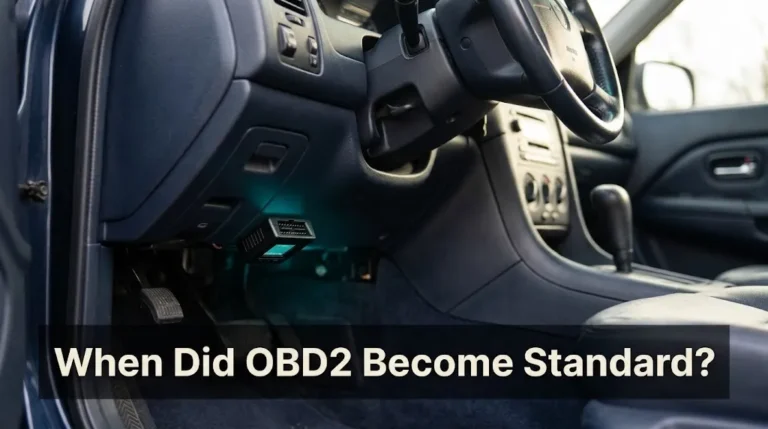
Quick Answer OBD2 became the required standard for passenger cars and light trucks sold in the United States with the…
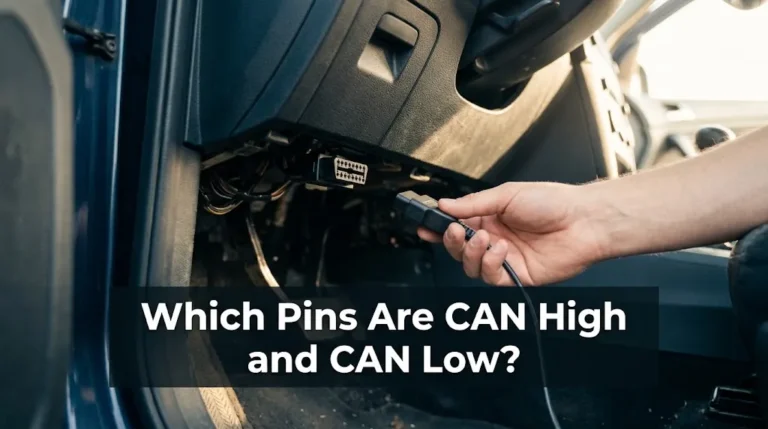
Quick Answer On a standard OBD2 diagnostic connector, pin 6 is CAN High (CAN-H) and pin 14 is CAN Low…
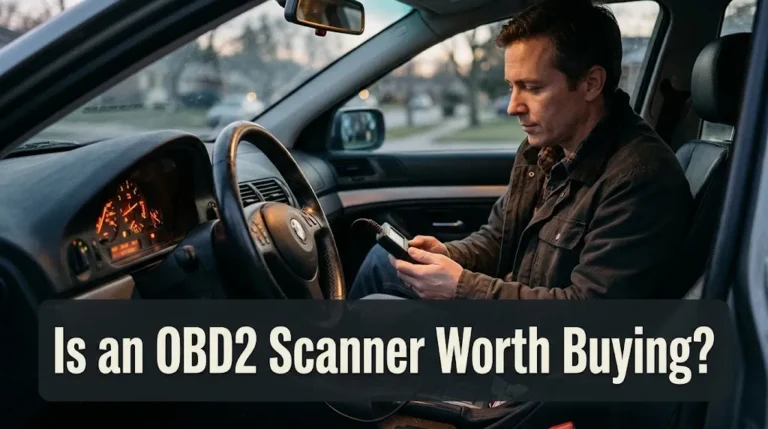
Quick Answer Yes, for most owners of a 1996 or newer car who want a fast first check when a…
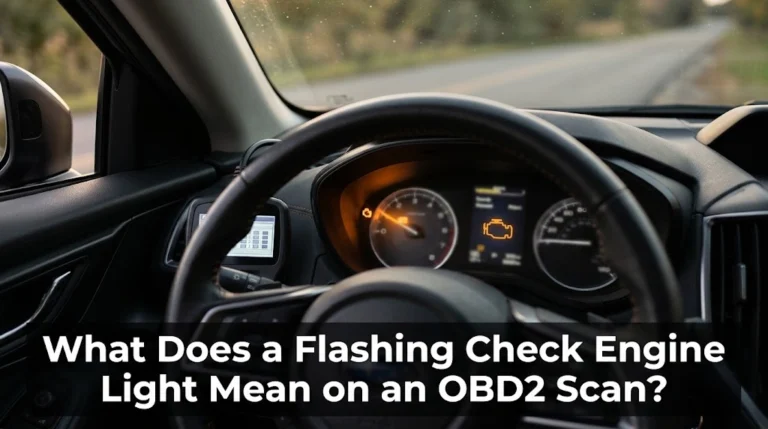
Quick Answer A flashing check engine light usually means your vehicle’s OBD2 system has detected a severe engine misfire that…
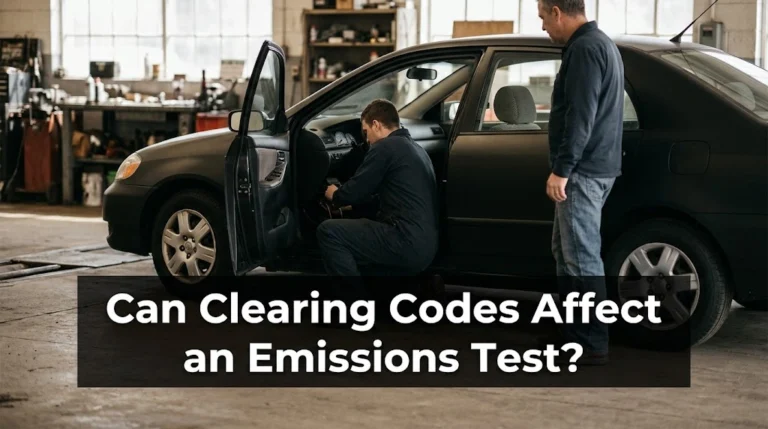
Quick Answer Yes. Clearing codes can cause an emissions test failure even when the check engine light is off, because…
Quick Answer Yes. Clearing diagnostic trouble codes with a standard OBD2 scanner normally erases the freeze frame data stored in…

Quick Answer The coolant temperature PID shows the engine coolant temperature reported by the vehicle’s engine control module (ECM or…
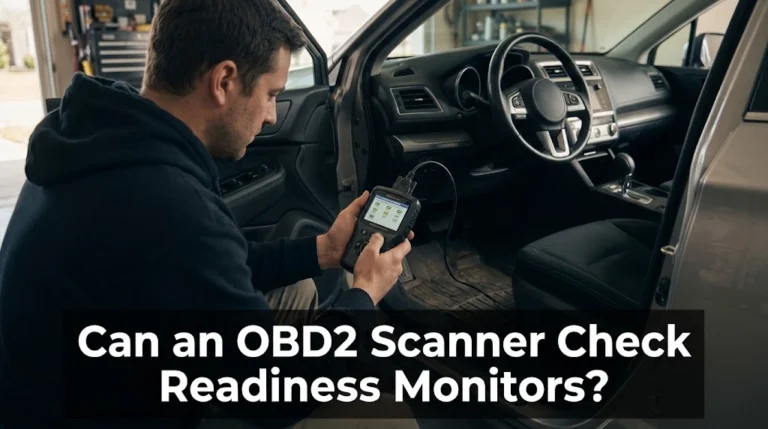
Quick Answer Yes. An OBD2 scanner with an I/M Readiness feature can check whether your vehicle’s emissions readiness monitors are…

Quick Answer Yes, an OBD2 scanner can help detect signs of a bad car battery by displaying system voltage, revealing…
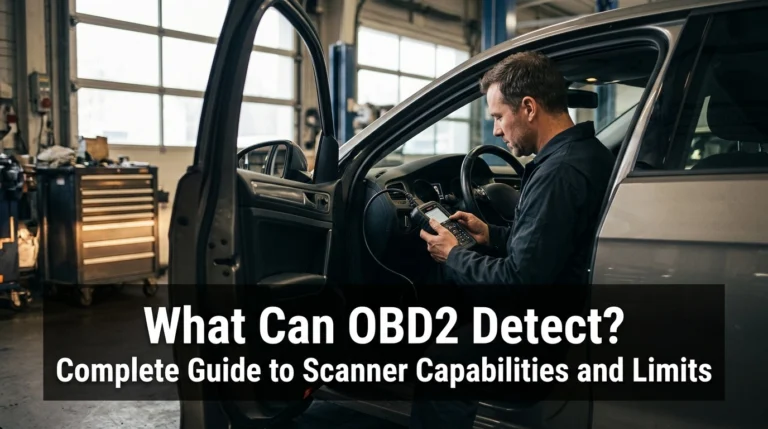
Quick Answer What can OBD2 detect? A standard OBD2 scanner detects many engine and emissions-related problems, including misfires, fuel-system faults,…
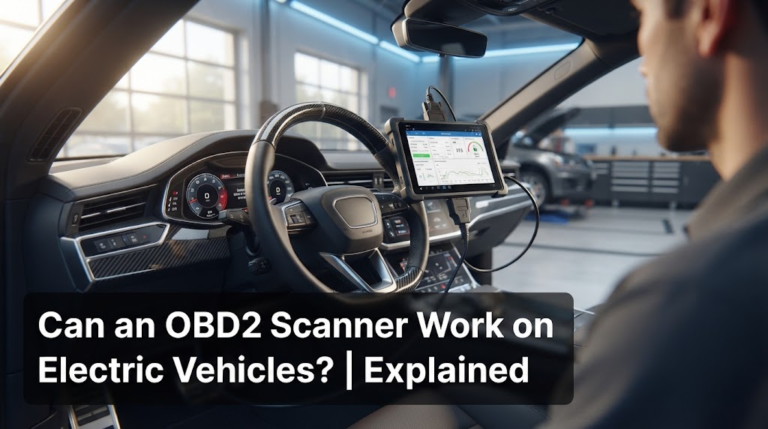
Quick Answer Sometimes, but not in the same way as on a petrol or diesel car. A standard OBD2 scanner…
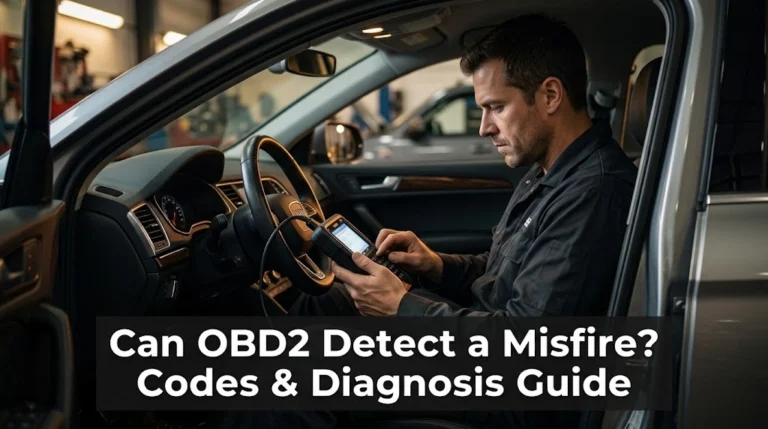
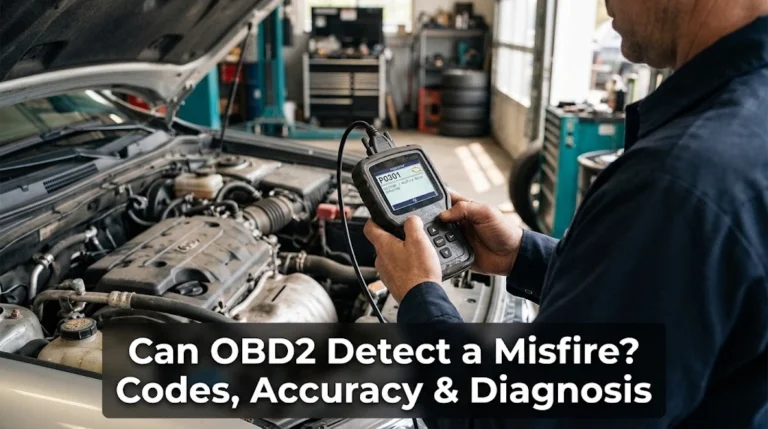
Quick Answer Yes, OBD2 can detect an engine misfire. The vehicle’s engine computer monitors combustion performance and can store diagnostic…
