
How Much Does an OBD2 Scanner Cost? Tiers and Value51 characters
Quick Answer
An OBD2 scanner costs about $20 to $60 for a basic code reader, about $40 to $150 for a mid range tool, and about $120 to $300 for an advanced tool. Professional tools can cost $300 to $1,500 or more. Most drivers spend $40 to $150 and get live data, freeze frame, and plain code meanings.
- Price follows coverage: engine codes cost less than ABS, airbag, and transmission coverage.
- A shop scan fee often matches the price of a mid range scanner.
- App fees, brand software, and update fees can add to the first price.
- Match the tool to the job, not to the highest price.
You see a check engine light and want a clear price before you buy a tool. This guide explains how much an OBD2 scanner costs by type, feature, and use. You will learn what each price tier buys, what extra fees to watch for, and how to pick a spend that fits your car and your skill.
In this article
- How Much Does an OBD2 Scanner Cost by Tier?
- What Does the Price Include Besides the Tool?
- How Do Handheld, Bluetooth, and Tablet Scanners Compare?
- Is a Cheap OBD2 Scanner Worth It?
- How Much Should You Spend for Your Needs?
- What Hidden Costs Can Raise the Total Price?
- How Does Scanner Cost Compare With a Shop Fee?
How Much Does an OBD2 Scanner Cost by Tier?
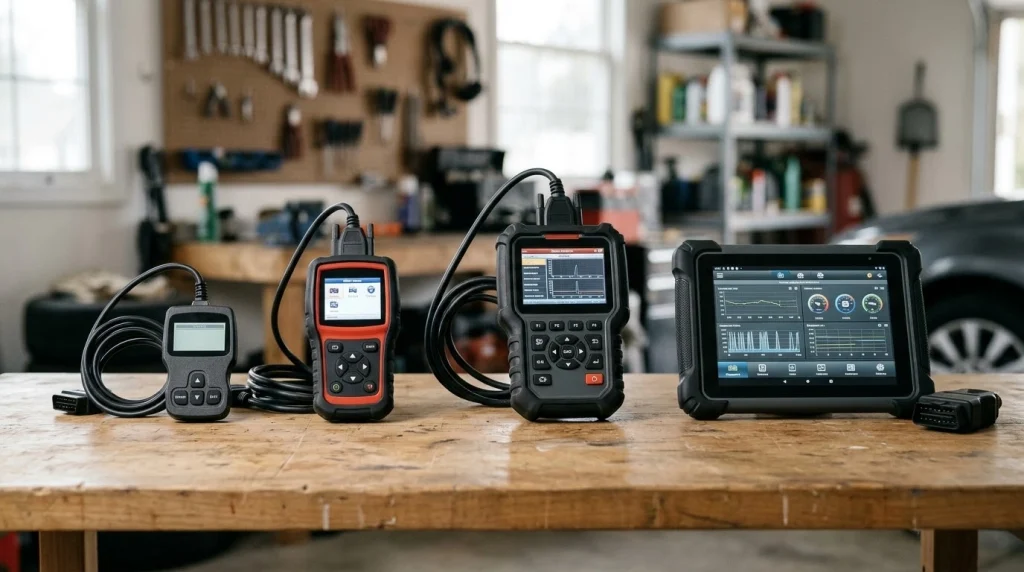
An OBD2 scanner costs about $20 to $60 for a basic reader. A mid range tool costs about $40 to $150, and an advanced tool costs about $120 to $300.
Price tiers follow what the tool can read and do. A basic reader reads and clears engine codes. A mid range tool adds live data, freeze frame, and plain code meanings. An advanced tool adds ABS, airbag, and transmission coverage, plus service resets.
Professional tools sit above the home tiers. They can cost $300 to $1,500, and shop grade tools can pass $1,500. Those tools add full system access, two way controls, and coding for many brands. Most home users do not need that depth.
The table below compares the tiers by typical price, coverage, and use. Use it to set a budget before you shop. If your budget is tight, start with scanners under $50 and check what they cover.
| Tier | Typical price | What you get | Who it suits |
|---|---|---|---|
| Basic code reader | $20 to $60 | Engine codes, code clearing, basic live data | Occasional checks |
| Mid range | $40 to $150 | Live data, freeze frame, readiness checks, plain meanings | Most drivers |
| Advanced consumer | $120 to $300 | ABS, airbag, and transmission codes, service resets | Home mechanics |
| Professional | $300 to $1,500 or more | All systems, two way controls, coding | Shops and serious DIY use |
The mid range tier gives most drivers the right mix of price and coverage. A tier guide from AutoCostGuides tier guide shows the same split: basic tools near $25 to $60, mid range near $60 to $150, and professional tools near $150 to $500 and above. Prices change by store and sale, so treat these ranges as a guide.
What Does the Price Include Besides the Tool?
The price of an OBD2 scanner can include hardware, software, and support. A handheld tool includes a screen, cable, and built in code list. A Bluetooth tool includes a small adapter and a phone app.
An OBD2 scanner plugs into the diagnostic port and reads codes from the car computer. The EPA explains that OBD software monitors emission controls and engine parts, then lights the check engine lamp when it finds a fault. Read the EPA OBD guidance to see what the system monitors. That core job is the same at each price tier.
What changes with price is depth and speed. Higher tiers add more systems, more live data, and clearer repair help. They may add a larger screen, faster chips, and a stronger connector. Learn what a scanner does before you pay for depth you may not use.
Support also counts. Some tools include free updates for life. Others include one free period, then charge for updates. A low sticker price can cost more over time if updates, app access, or brand packs carry fees.
How Do Handheld, Bluetooth, and Tablet Scanners Compare?
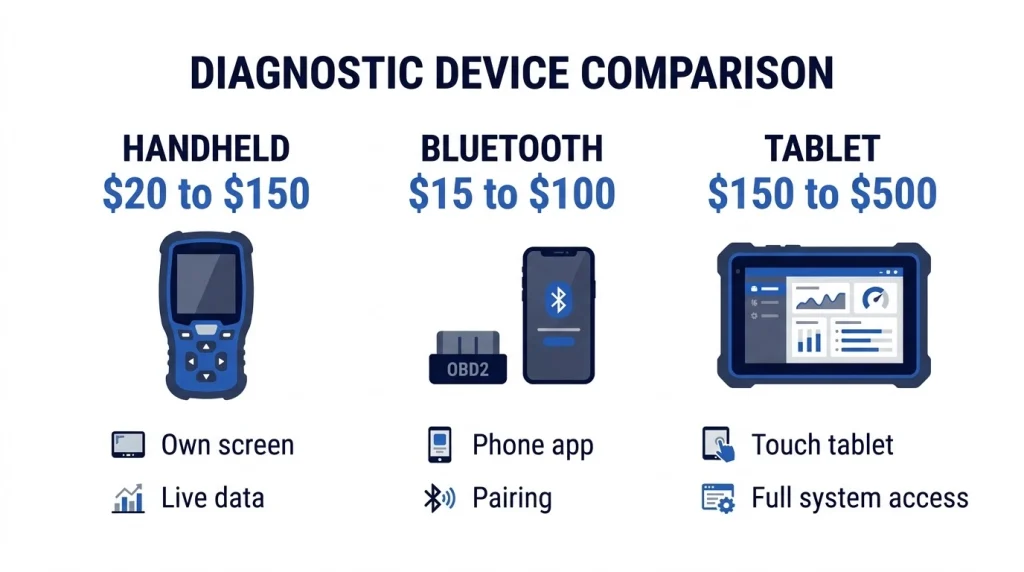
Handheld, Bluetooth, and tablet scanners cost different amounts for the same core job. A handheld reader costs about $20 to $150 for most home models. A Bluetooth adapter costs about $15 to $100 for the dongle, plus app fees in some cases.
A handheld scanner works on its own screen. It needs no phone, no pairing, and no app account. That suits drivers who want a simple tool in the glove box. A larger screen and more systems push the price toward the top of the handheld range.
A Bluetooth scanner uses your phone as the screen. The adapter is small and cheap, while the app adds charts, logs, and plain code help. App quality decides much of the value. Some apps are free, while others charge $0 to $50 per year for full access. Check Bluetooth OBD2 scanners to compare phone based options.
A tablet scanner costs about $150 to $500 for home pro models, and more for shop models. It has a large touch screen, full system access, and two way controls in many cases. It suits a home mechanic who works on more than one car. The choice between corded and Bluetooth scanners often comes down to screen size, phone use, and shop style.
Is a Cheap OBD2 Scanner Worth It?
A cheap OBD2 scanner is worth it when you need a code read and a clear light. A basic reader near $20 to $40 can read engine codes, show a code meaning, and clear the code after a fix.
A cheap tool has clear limits. It may read engine codes only. It may miss ABS, airbag, and transmission codes. It may show a code number with no plain meaning, so you must look up the code yourself.
A cheap tool also has build limits. A weak connector, a dim screen, or slow updates can make it hard to use. A clone adapter can fail to pair, drop a link, or read the wrong protocol. Pay a bit more for a known design when you plan to use the tool more than once.
Use a cheap tool as a first step, not as a full diagnosis. A code tells you which system flagged a fault. It does not name the failed part. If the light returns after you clear it, the fault is still there and needs a closer check.
How Much Should You Spend for Your Needs?
Most drivers should spend $40 to $150 on an OBD2 scanner. That range buys live data, freeze frame, readiness checks, and plain code meanings in most cases.
Spend less when the job is simple. A $20 to $40 reader suits a driver who wants to read a light before a shop visit. It also suits a second car, a glove box spare, or a first tool for a new driver.
Spend more when you need more systems. A $120 to $300 tool suits a home mechanic who checks brakes, airbags, and transmission codes. It also suits a multi car home where one tool must cover more than one make.
Spend $300 or more only for shop work or deep DIY work. That range suits two way tests, service resets, and coding. If you do not use those functions, the extra cost adds no value.
If you
Check a light once in a while
Choose a basic reader, because it reads engine codes at a low cost.
If you
Own one car and want live data
Choose a mid range tool, because it adds live data and plain meanings.
If you
Work on several cars or need resets
Choose an advanced tool, because it covers more systems and resets.
If you
Run a shop or do deep tests
Choose a professional tool, because it adds two way controls and coding.
Match the spend to the systems you will read. A tool that cannot read your car system is a poor buy at any price. Check the make, model, and system list before you order.
What Hidden Costs Can Raise the Total Price?
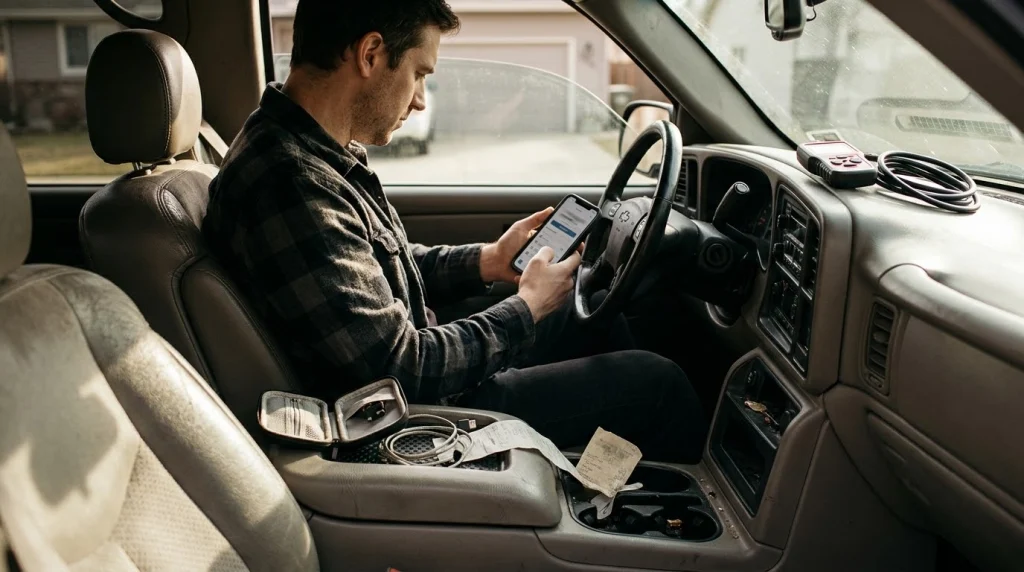
Hidden costs can raise the total price of an OBD2 scanner by $10 to $150 per year in some cases. The main add ons are app fees, brand packs, and update fees.
Some Bluetooth apps are free for basic reads and paid for full repair data. Some tools include one brand pack free and charge about $10 per extra brand. Some tablet tools include one free update period and then charge for each new period. Read the update terms on the product page before you buy.
Tip
Check the update and app terms before you buy. A tool with one free brand pack can add about $10 per extra brand.
Other costs are small but real. A case, a cable, or a mount can add to the bill. A phone app may need a paid plan for live data logs. A shop tool may need a paid plan for new model coverage.
Ask three questions before you pay. Does the price include free updates for life. Does the app charge for the features you need. Does the tool cover your car make and the systems you want to read. If any answer is unclear, pick a tool with clear terms.
How Does Scanner Cost Compare With a Shop Fee?
A shop diagnostic fee often costs $80 to $200 for a scan and a code read. A mid range OBD2 scanner costs about the same amount, but you can use it more than once.
A scanner pays for itself when it stops one needless shop visit. A loose gas cap, a worn sensor, or a simple code can look scary on the dash. A scan tells you the code and helps you judge the next step. A guide from Save with Reviews guide notes that most shops charge $100 to $200 for a scan, while a $60 scanner can pay for itself on first use.
A scanner does not replace a shop in every case. A code can point to a system, while the fault can sit in wiring, a sensor, or a module. A flashing check engine light can mean a misfire that can harm the catalytic converter, so pull over in a safe place and seek help fast in that case.
Use the scanner to learn, then decide. Read the code, note the freeze frame, and check the repair path. If the fix needs tools, lifts, or safety work, take the car to a shop with the code in hand.
OBD2 Scanner
An OBD2 scanner helps you read engine codes at home and check live data before a shop visit.
Frequently Asked Questions
Can a cheap OBD2 scanner clear codes?
A cheap OBD2 scanner can read and clear engine codes in most cases. It clears the code after you fix the fault, but it does not fix the fault itself. If the fault stays, the light can return after a short drive.
Do OBD2 scanners need a subscription?
Many OBD2 scanners work with no subscription and no app fee. Some Bluetooth apps charge for full repair data, and some pro tools charge for updates after a free period. Check the app and update terms before you buy.
Will one scanner work on every car?
One OBD2 scanner can read basic engine codes on most cars with an OBD2 port. It may not read ABS, airbag, or transmission codes on every make. Check the make list and system list for your car before you buy.
Is an OBD2 scanner worth it for one car?
An OBD2 scanner is worth it for one car when you want to read a light before a shop visit. It can save one scan fee and help you judge if the car is safe to drive. A mid range tool gives the most value for one car.
Can I use a free phone app instead of a scanner?
A free phone app cannot read a car on its own, because it needs an adapter in the port. A low cost Bluetooth adapter plus a free app can read basic codes. A paid app may add live data, logs, and plain code help.
How long does an OBD2 scanner last?
An OBD2 scanner lasts as long as its build, cable, and software support hold up. A strong connector, a clean port, and free updates help it stay useful. A tool with no updates can lose value as new models add new codes.
Conclusion
How much does an OBD2 scanner cost for most drivers? About $40 to $150, with basic tools near $20 to $60. If you check one car at home, pick a mid range tool with live data and free updates.

I’m Alex Rahman, a car enthusiast and automotive writer focused on practical solutions, car tools, and real-world driving advice. I share simple and honest content to help everyday drivers make better decisions.
