Is OBD2 Mandatory in Europe? EOBD Timelines & Rules Explained
Quick Answer
Yes, an equivalent system is mandatory in Europe, but it is officially known as EOBD (European On-Board Diagnostics). Under European Union regulations, EOBD compliance became compulsory for all new petrol-driven passenger cars sold from January 1, 2001, and for all new diesel passenger cars from January 1, 2004. While it utilizes the same 16-pin physical socket and overarching framework as the American OBD2 standard, it operates under distinct regional emission thresholds and communication protocols.
Understanding OBD2 Versus EOBD in Europe
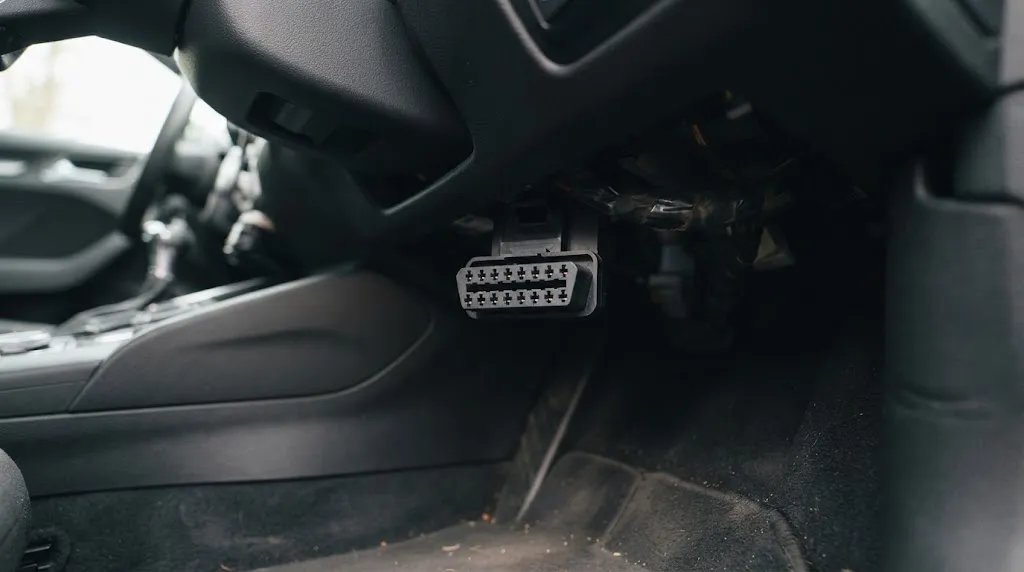
When drivers and car enthusiasts ask whether OBD2 is mandatory in Europe, they are usually referring to the standardized diagnostic system that allows code readers and scan tools to plug into a vehicle’s computer. Technologically, the United States established the OBD-II standard nationally starting with the 1996 model year. Europe developed a parallel system tailored to its own environmental directives and vehicle fleets, designated as EOBD (European On-Board Diagnostics).
Although American OBD2 and European EOBD share the same 16-pin diagnostic link connector (DLC) shape and physical cabin placement requirements, they are governed by separate regulatory frameworks. European directives were structured to monitor components affecting exhaust emissions closely, ensuring that cars maintained compliance with regional limits over their operational lifespan.
Mandatory Timelines for Petrol and Diesel Vehicles
The rollout of mandatory on-board diagnostics across European Union member states occurred in staggered phases depending on fuel type and vehicle homologation stages. Understanding these dates helps clarify why certain older imported or European-market vehicles may lack complete diagnostic data streams.
- Petrol (Gasoline) Vehicles: EOBD compliance became mandatory for all new type-approved petrol passenger cars starting January 1, 2000, and for all newly registered petrol passenger cars sold across the EU from January 1, 2001.
- Diesel Vehicles: Due to the technological complexity of monitoring particulate emissions and compression-ignition combustion cycles, diesel requirements followed later. EOBD became mandatory for new diesel passenger car models starting in 2003, and compulsory for all newly registered diesel production cars from January 1, 2004.
- Light Commercial Vehicles: Light commercial vehicles and vans faced subsequent phase-in windows stretching through the mid-2000s depending on their weight class and category.
Key Insight
While an import vehicle built for the US market might feature an OBD2 label, a European-market vehicle from the same year complies with EOBD protocols, which focus heavily on European emission thresholds like Euro 3 and Euro 4.
Physical Connector and Technical Commonalities
A primary reason drivers assume OBD2 and EOBD are identical is the hardware standardization. Every compliant car sold in Europe after the mandate dates must feature a standardized 16-pin diagnostic socket located inside the passenger compartment.
By mandate, this connector must be positioned within arm’s reach of the driver’s seat—typically beneath the dashboard or near the center console—accessible without requiring specialized tools. This physical uniformity ensures that standard code readers can plug into vehicles globally. However, underlying communication protocols such as ISO 9141, KWP2000, and early Controller Area Network (CAN) busses dictate how data packets travel between the vehicle electronic control unit (ECU) and the external scan tool.
How EOBD Differs From American OBD2 Specifications
Although scan tools sold today are usually marketed as “OBD2/EOBD compatible,” fundamental operational differences exist beneath the surface:
- Emissions Standards: EOBD monitors component degradation specifically against European exhaust emission stages (such as Euro 3 and Euro 4 limits), whereas OBD2 tracks compliance with United States Environmental Protection Agency (EPA) or California Air Resources Board (CARB) rules.
- Parameter IDs (PIDs): While basic live data parameters overlap significantly, certain proprietary manufacturer diagnostic parameters vary between American and European market releases.
- Ignition and Misfire Detection: Diagnostic sensitivity thresholds for detecting engine misfires or catalytic efficiency can trigger warning lamps differently based on regional regulatory calibration.
What Happens If a Vehicle Fails EOBD Compliance?
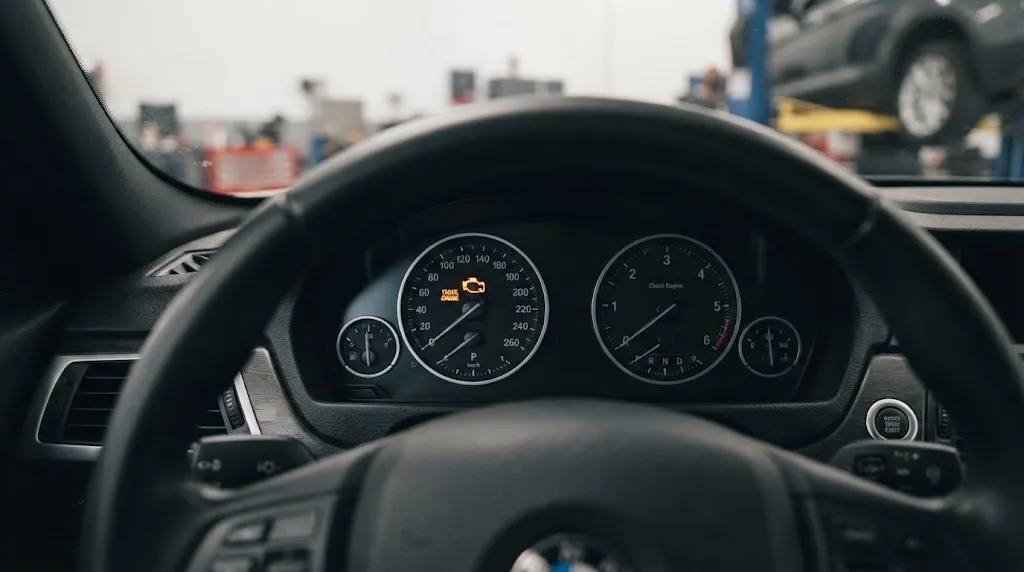
In European member states, the EOBD system operates continuously as a lifetime vehicle health monitor. If a monitored component—such as an oxygen sensor, mass air flow meter, or catalytic converter—malfunctions and causes emissions to exceed statutory thresholds, the dashboard Malfunction Indicator Lamp (MIL), commonly known as the check engine light, illuminates.
During periodic technical inspections (such as the MOT in the UK or TÜV in Germany), technicians routinely scan the EOBD port or read readiness monitors. An active emission-related fault code or incomplete internal monitors typically results in an immediate vehicle inspection failure until the underlying mechanical or electrical issue is resolved.
Related Product
OBD2 / EOBD Diagnostic Code Readers
A reliable handheld code reader helps read live engine data, clear fault codes, and check emission readiness monitors on European vehicles.
As an Amazon Associate, we earn from qualifying purchases.
Frequently Asked Questions
Are all cars in Europe required to have an OBD port?
Yes, any petrol car sold new in the European Union since January 2001, and any diesel car sold since January 2004, must be equipped with an operational EOBD system and a standardized 16-pin diagnostic port. Vehicles manufactured before these dates were not legally required to feature standardized diagnostic interfaces.
Can I use an American OBD2 scanner on a European car?
In most cases, yes. Because EOBD adopted the identical 16-pin physical plug and compatible communication protocols (such as CAN bus), standard OBD2 scanners sold globally will successfully read generic diagnostic trouble codes and live sensor data on post-2001 petrol and post-2004 European cars.
What is the difference between OBD2 and EOBD?
OBD2 is the legislative standard established in the United States, while EOBD is the European counterpart. They share physical architecture and basic command structures, but EOBD is tailored to monitor compliance with European emissions thresholds and testing cycles.
Do electric vehicles in Europe have an OBD port?
Modern electric vehicles and hybrids sold in Europe still feature standardized diagnostic access points. However, the diagnostic data provided focuses on high-voltage battery health, thermal management systems, inverter status, and chassis controllers rather than exhaust gas emissions.
Why does my pre-2001 European car have a diagnostic plug?
Many European manufacturers installed proprietary diagnostic ports long before EOBD became mandatory. Brands like BMW, Mercedes-Benz, and Volkswagen often used under-hood round connectors or cabin plugs linked to specific proprietary software protocols rather than standardized OBD2 architecture.
Will an EOBD fault code clear itself automatically?
Some minor intermittent faults clear themselves from active memory after a set number of successful driving cycles without recurrence. However, permanent emission-related faults typically require either manual clearing using an electronic diagnostic tool or a series of specific drive cycles to reset internal readiness monitors.
Conclusion
On-board diagnostics are firmly mandatory across Europe under the EOBD directive framework, mirroring the intent of American OBD2 regulations while adapting to regional emissions standards. With compliance required for petrol vehicles since 2001 and diesel cars since 2004, almost all modern vehicles operating on European roads feature a standardized diagnostic port. Understanding these standards ensures that vehicle owners and technicians can effectively troubleshoot emission systems and maintain regulatory compliance.

I’m Alex Rahman, a car enthusiast and automotive writer focused on practical solutions, car tools, and real-world driving advice. I share simple and honest content to help everyday drivers make better decisions.
