Can a Scan Tool Perform Actuator Tests? Bi-Directional Guide
Quick Answer
Yes, an advanced diagnostic scan tool can perform actuator tests, which allow a technician or DIYer to command a vehicle’s computer to activate specific components—such as fuel injectors, cooling fans, door locks, or ABS solenoids—independently to verify their physical operation and electrical circuit integrity.
What Is an Actuator Test on a Scan Tool?
An actuator test, often referred to as a bi-directional control test or active test, is a diagnostic function that lets a scan tool communicate outward with a vehicle’s electronic control units (ECUs). Instead of simply reading passive sensor data or trouble codes, bi-directional capability allows the diagnostic tool to send commands directly to vehicle actuators.
During normal vehicle operation, the powertrain control module (PCM), body control module (BCM), or other computers decide when to turn components on or off based on sensor inputs. When you run an actuator test, you bypass normal operating logic and take manual control of a specific device through the scan tool interface. This helps isolate whether a component failure is caused by faulty wiring, a bad sensor, or the actuator itself.
For example, if a vehicle is overheating, a mechanic might use a scan tool to command the electric cooling fan to turn on. If the fan spins, the wiring, relay, and fan motor are physically capable of working, which shifts the diagnostic focus to the coolant temperature sensor or computer trigger logic. If the fan does not turn on, the technician knows to test fuses, relays, or power and ground circuits at the fan motor connector.
How Bi-Directional Control Works in Vehicle Diagnostics

Modern vehicles rely on complex networks of sensors and actuators connected to computerized control modules. Sensors monitor conditions like pressure, temperature, speed, and oxygen levels, while actuators execute physical changes based on computer instructions.
Standard OBD-II code readers are receive-only devices; they query the computer for diagnostic trouble codes (DTCs) and live data parameters. They cannot transmit control commands back to vehicle systems. Bi-directional scan tools, however, utilize advanced communication protocols (such as CAN, ISO, or KWP) to send specific instruction packets that prompt modules to cycle outputs on or off.
Typical Components Tested Using Bi-Directional Commands
Technicians apply actuator tests across nearly every electronic system in a modern automobile. Common testable components include:
- Fuel and Air Systems: Individual fuel injectors (power balance testing), idle air control valves, throttle actuators, and EVAP purge solenoids.
- Cooling and Climate Control: Electric cooling fans, heater blend door actuators, and A/C compressor clutch relays.
- Braking and Stability: ABS hydraulic pump motors and individual brake modulator valves during bleeding or diagnostic routines.
- Body and Convenience: Power door locks, window regulators, instrument cluster gauges (sweeping needles), and interior or exterior lighting circuits.
Tip
When performing an injector balance or cylinder cut-out test via a scan tool, listen closely to engine RPM drops or use a stethoscope to confirm that each individual injector is mechanically clicking and altering engine performance.
Do All Scan Tools Support Actuator Tests?
No. The ability to perform actuator tests depends entirely on the capability level of the diagnostic tool and the software package installed. Scan tools generally fall into three distinct tiers regarding bi-directional functions:
1. Basic Code Readers
Entry-level handheld scanners designed for basic emission checks and generic trouble code retrieval do not support bi-directional controls. They can read and clear codes and display basic live data streams, but they lack the software architecture required to send active commands.
2. Mid-Range Diagnostic Scans
Many intermediate diagnostic tablets—often priced between a few hundred to over a thousand dollars—offer bi-directional control for specific vehicle systems. These tools usually require selecting the exact make, model, year, and engine configuration to unlock supported active tests for transmission solenoids, EVAP systems, or body controls.
3. Advanced Professional and OE-Level Scanners
High-end diagnostic platforms used in professional repair facilities provide comprehensive bi-directional control across all vehicle modules, including advanced relearns, module coding, and deep actuation routines like ABS automated bleeding and electronic parking brake service modes.
When Should You Use Actuator Tests in Troubleshooting?
Actuator tests are most effective when troubleshooting intermittent electrical problems, non-responsive components, or suspected wiring faults after checking basic fuses and relays.
Consider a scenario where a vehicle’s check engine light points to an EVAP purge valve failure. Instead of immediately buying a new valve, a technician connects a bi-directional scan tool, navigates to the powertrain control module, and selects the purge valve active test. By commanding the valve to open and close while listening for a physical click or monitoring fuel trim data, the technician verifies whether the valve responds to computer signals.
Warning
Exercise extreme caution when running active tests on high-pressure fuel systems, transmission solenoids, or cooling fans while hands or tools are inside the engine bay. Unexpected component activation can cause injury or mechanical damage.
Limitations of Scan Tool Actuation
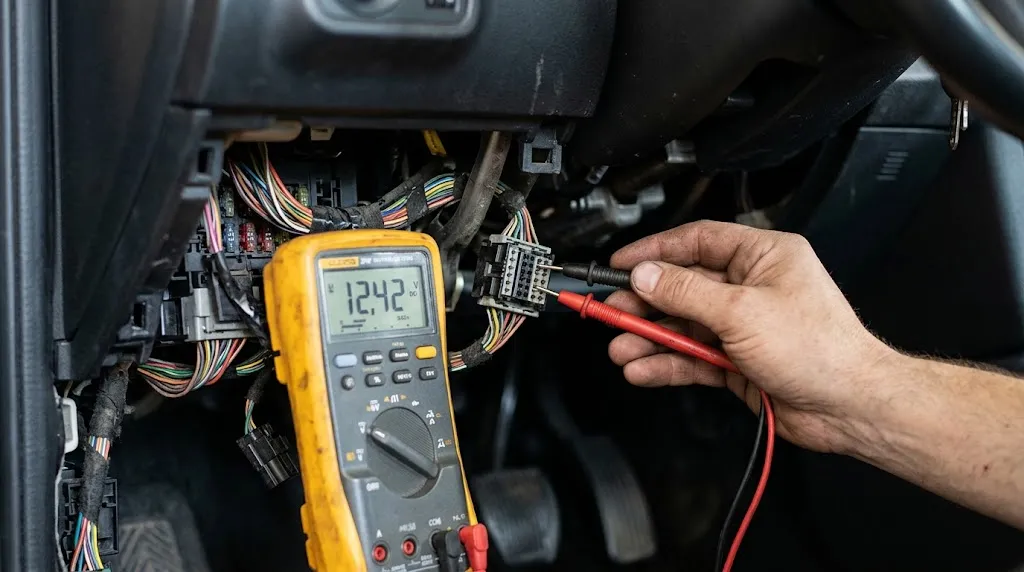
While powerful, actuator tests have specific limitations that technicians must keep in mind during diagnosis:
- No Circuit Fault Detection: An active test proves whether a component can be commanded to operate, but it does not always differentiate between a weak actuator, high resistance in a wire, or a failing computer ground driver.
- Prerequisite Conditions: Many tests require specific vehicle parameters to be met before the computer will allow actuation—such as engine coolant temperature above a certain threshold, vehicle speed at zero, or battery voltage above 12.6 volts.
- Software Coverage Gaps: Even high-end tools may have limited bi-directional support for very new vehicle releases, rare makes, or heavy-duty commercial applications until software updates are installed.
Related Product
Bi-Directional Automotive Diagnostic Scan Tools
Explore advanced diagnostic scanners equipped with full bi-directional control and active test capabilities for comprehensive automotive troubleshooting.
As an Amazon Associate, we earn from qualifying purchases.
Frequently Asked Questions
Can a basic OBD2 scanner perform bi-directional tests?
No. Basic OBD2 code readers lack the software and processing capability required to transmit active commands to vehicle control modules. Bi-directional testing requires mid-range or professional-grade diagnostic tablets.
Do actuator tests require the engine to be running?
It depends on the component being tested. Body electronics, door locks, and instrument cluster gauges usually require only the ignition key to be in the “ON” position with the engine off. Tests involving fuel injectors, transmission solenoids, or cooling fans may require the engine running or specific operating temperatures.
Can an actuator test fix a broken part?
No. An actuator test is purely diagnostic. It allows you to command a component to operate so you can verify its physical response. If a component fails to respond during the test, further physical testing with a multimeter or pressure gauge is required to determine if the part or its circuit needs replacement.
What is the difference between a system scan and an active test?
A system scan reads stored fault codes and monitors live data inputs from sensors. An active test goes a step further by sending commands from the tool out to vehicle actuators to force physical operation.
Why is a specific actuator test grayed out on my scan tool menu?
Grayed-out test options usually mean the vehicle does not support that specific function, or prerequisite conditions—such as engine running, transmission in Park, or parking brake engaged—have not been met.
Are bi-directional scan tools difficult to use?
Modern diagnostic tools feature menu-driven interfaces that guide users through system selection. However, interpreting the results requires a solid understanding of automotive electrical systems and sensor-actuator relationships.
Conclusion
Advanced diagnostic scan tools are fully capable of performing actuator tests, transforming a basic code reader into an active diagnostic workstation. By allowing technicians to manually command components like fuel injectors, cooling fans, and solenoids, bi-directional testing cuts diagnosis time and prevents unnecessary parts replacement. Verifying component operation directly against computer commands ensures accurate troubleshooting for both professional technicians and DIY mechanics.

I’m Alex Rahman, a car enthusiast and automotive writer focused on practical solutions, car tools, and real-world driving advice. I share simple and honest content to help everyday drivers make better decisions.
