Best OBD2 Scanner for DIY Use: Types, Features & Choices
Quick Answer
For most DIYers, the best type of OBD2 scanner is a mid-range, standalone diagnostic tool or a reliable wireless OBD2 adapter paired with a smartphone app. These options strike the ideal balance between affordability and capability, allowing you to read and clear generic and manufacturer-specific trouble codes, view live sensor data, and diagnose common engine, transmission, ABS, and airbag issues without paying shop fees.
Understanding OBD2 Scanner Categories for Home Mechanics
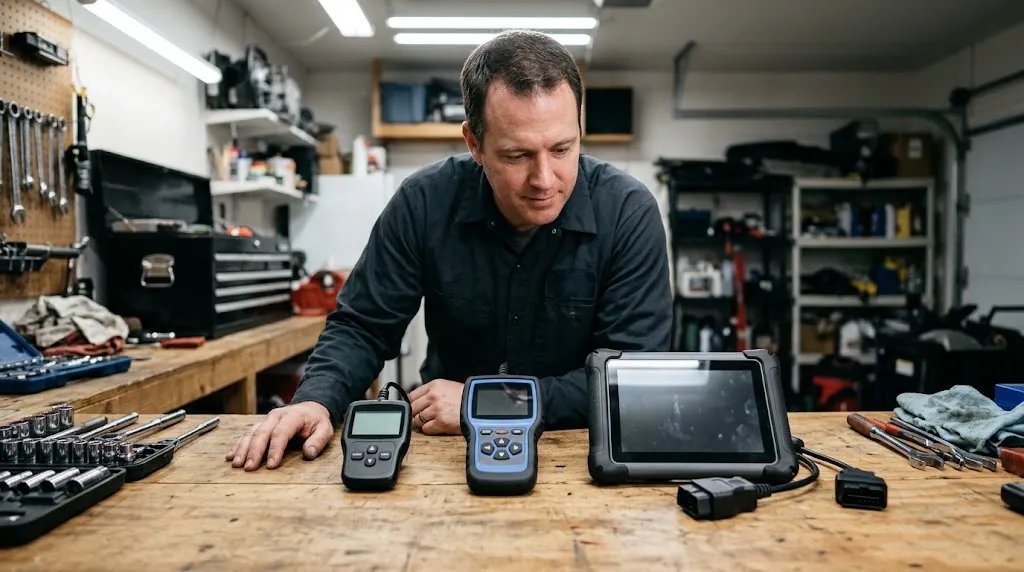
Diagnosing modern vehicles requires plugging into the On-Board Diagnostics (OBD2) port, which has been standard in all cars and light trucks sold since 1996 in the United States. However, not all diagnostic scanners serve the same purpose. When shopping for a tool to use in your garage or driveway, understanding the fundamental tiers of scan tools is essential.
Diagnostic tools generally fall into three primary categories:
- Basic Code Readers: Entry-level plug-and-play devices that primarily read and clear generic powertrain (P-code) trouble codes and display the Check Engine light status.
- Mid-Range Diagnostic Scanners: Versatile standalone tools or advanced app-based interfaces that access enhanced systems such as ABS, SRS (airbags), transmission modules, and live data streaming.
- Advanced Bi-Directional Scan Tools: Professional-grade or enthusiast-tier tablets capable of sending commands back to vehicle modules to test components, perform calibrations, and reset electronic parking brakes.
For home mechanics, choosing the right category depends entirely on the types of automotive repairs you plan to tackle. While a basic code reader costs very little, it will leave you blind when diagnosing braking or airbag system warnings.
Basic Code Readers vs. Mid-Range Diagnostic Scanners
Many beginner DIYers make the mistake of buying the cheapest code reader available online, only to discover that it cannot read transmission or anti-lock brake system codes. Knowing the operational differences between these tiers prevents wasted money and frustration during a breakdown.
Basic code readers are designed for one main job: turning off the Check Engine light. When an emission component fails, the vehicle’s computer stores a standard OBD2 code starting with the letter P. A basic reader translates that code into a text string or number. Once you fix the underlying problem, the reader clears the code. However, these budget units rarely support live data graphing or manufacturer-specific diagnostics.
Mid-range diagnostic scanners bridge the gap between amateur code readers and high-end shop equipment. They pull generic powertrain codes as well as chassis and body codes, often referred to as C-codes and B-codes. Furthermore, mid-range scanners support live data graphing, which lets you monitor oxygen sensor voltage, fuel trim percentages, coolant temperature, and engine RPM in real time while the vehicle is running.
Key Insight
Live data streaming is the single most valuable feature for DIY diagnostics. Instead of blindly replacing parts based on a trouble code, live data allows you to verify whether a sensor is actually failing while the engine operates.
Wired Handheld Scanners vs. Smartphone Wireless Adapters
Beyond functional capabilities, you must choose the physical format of your diagnostic tool. The modern market offers two distinct form factors for DIY use: dedicated handheld wired scanners and wireless Bluetooth or Wi-Fi adapters that connect to a smartphone or tablet.
Wired handheld units are self-contained devices with built-in screens, physical buttons, and integrated cables. They require no pairing, apps, software updates via cellular data, or smartphone battery management. You simply plug the cable into the OBD2 port under the dashboard, and the tool boots up instantly. This makes wired scanners rugged, reliable, and ready for immediate use in greasy garage environments.
Wireless smartphone adapters, on the other hand, consist of a compact dongle that plugs into the OBD2 port and communicates wirelessly with an app running on iOS or Android. These adapters offer incredible portability and leverage your phone’s high-resolution touchscreen and internet connection for automatic software updates and cloud-based code definitions. Many apps also feature customizable digital dashboard displays, turning your phone into a secondary gauge cluster during track days or road trips.
However, wireless adapters rely on stable Bluetooth connections and phone battery life. If your phone rings or loses connection mid-diagnostic session, it can interrupt data logging. For quick driveway checks, both formats perform exceptionally well, meaning your personal preference for dedicated hardware versus app interfaces should guide your decision.
Essential Features DIYers Actually Need
Manufacturers pack scan tools with marketing terms and advanced functions that casual home mechanics rarely use. To avoid overspending, focus on the core features that genuinely simplify vehicle troubleshooting.
First, ensure the scanner supports All-System Diagnostics. While powertrain codes are standard across all brands, chassis and body control modules vary wildly. A capable DIY scanner should communicate with the Engine Control Module (ECM), Transmission Control Module (TCM), Anti-lock Braking System (ABS), and Supplemental Restraint System (SRS).
Second, look for Freeze Frame Data capability. When a fault occurs, the vehicle computer takes a snapshot of engine parameters at that exact millisecond. Reviewing freeze frame data tells you whether the engine was cold, under heavy load, or idling when the code triggered, providing vital context for intermittent problems.
Third, check for I/M Readiness Monitors. If you live in an area that requires periodic emissions testing, readiness monitors verify whether the vehicle’s internal computer tests have completed since the battery was disconnected or codes were cleared. Attempting an emissions test with incomplete monitors results in an automatic failure.
Tip
If you plan on performing routine brake pad replacements on modern vehicles equipped with electronic parking brakes, look for a scanner that includes an Electronic Parking Brake (EPB) service reset function.
Evaluating Vehicle Compatibility and Software Updates
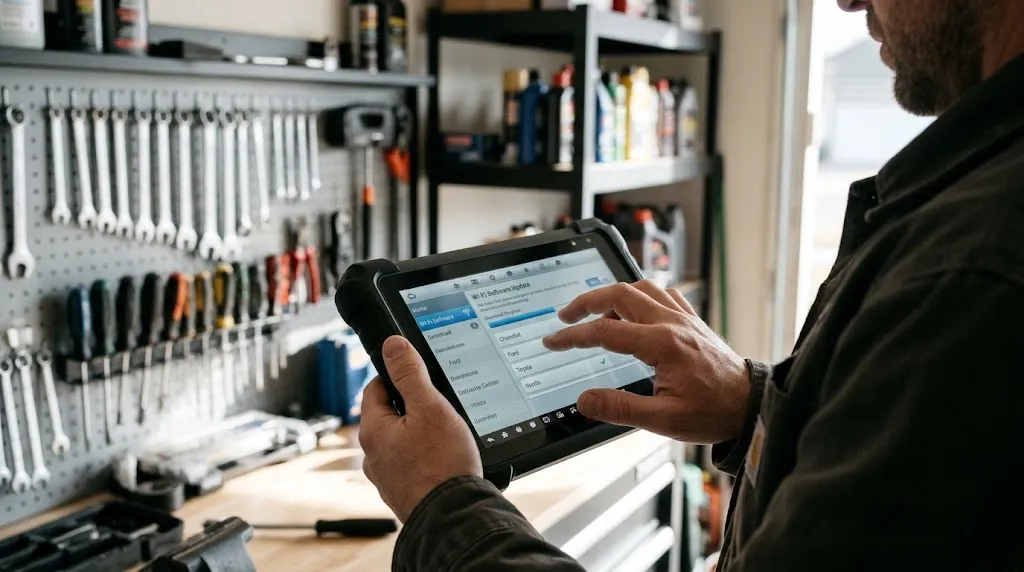
Vehicle communication protocols have evolved significantly over the decades. Older vehicles utilized protocols like Keyword Protocol 2000 and ISO 9141, while modern vehicles rely heavily on Controller Area Network (CAN) bus architecture and flexible data rate protocols. A quality DIY scanner must support multiple communication protocols to work across different car makes and model years.
Furthermore, automotive software updates matter. Car manufacturers frequently release technical service bulletins and update module programming parameters. When selecting a diagnostic tool, check whether the manufacturer provides free lifetime software updates or charges an annual subscription fee. Many mid-range wired scanners offer free updates over Wi-Fi, whereas some smartphone app ecosystems require subscription models to unlock advanced manufacturer-specific diagnostics.
Make sure to verify whether the scanner supports your specific vehicle brand if you require deep manufacturer-specific diagnostics. While generic OBD2 codes are universal, proprietary diagnostics for European luxury cars or commercial trucks often require specialized software packages.
Common Mistakes When Using OBD2 Scanners at Home
Even with the best diagnostic tool, improper usage can lead to misdiagnosis and wasted repair costs. Avoiding common pitfalls ensures you get accurate results every time you plug into your vehicle.
The most frequent mistake is replacing a component based solely on the trouble code description. For example, a code indicating an oxygen sensor circuit low voltage does not automatically mean the sensor is broken. A vacuum leak, exhaust leak, or wiring fault can cause the exact same symptom. Always use live data and perform physical inspections before installing new parts.
Another mistake is clearing codes without recording them first. If you clear diagnostic trouble codes before noting down freeze frame data or secondary pending codes, you erase valuable clues that could help isolate an intermittent electrical glitch.
Warning
Never attempt to operate a handheld scanner or look at smartphone diagnostic graphs while driving down public roads unless you have a dedicated passenger monitoring the equipment.
Finally, avoid ignoring pending codes. Vehicles often store pending trouble codes when a fault occurs once but has not yet happened frequently enough to illuminate the dashboard warning light. Catching pending codes early can help you diagnose developing mechanical issues before they turn into major roadside breakdowns.
Related Product
OBD2 Diagnostic Scan Tools
Explore a reliable selection of mid-range diagnostic scanners and wireless adapters equipped with live data graphing and multi-system code reading.
As an Amazon Associate, we earn from qualifying purchases.
Frequently Asked Questions
Do all OBD2 scanners work on every car?
All OBD2 scanners work on any vehicle manufactured from 1996 onward in the US (and 2001/2004 in Europe and other regions) for basic generic powertrain codes. However, advanced system diagnostics like ABS, SRS, and transmission monitoring often require manufacturer-specific software packages that may not be supported by entry-level generic readers.
Can an OBD2 scanner fix my car problems?
No, an OBD2 scanner is a diagnostic tool, not a repair device. It reads computer error codes and displays sensor data to help you identify the root cause of a mechanical or electrical issue. You must still perform the physical repair or replacement before clearing the code.
What is the difference between generic codes and manufacturer-specific codes?
Generic codes (P0xxx) are standardized across all automotive manufacturers, defining universal powertrain faults. Manufacturer-specific codes (P1xxx) are defined by individual car brands like Ford, Toyota, or BMW to monitor specialized internal components and proprietary control systems.
Will clearing codes pass my emissions test?
Simply clearing trouble codes with a scanner will not allow your car to pass an emissions inspection. Clearing codes resets the vehicle’s internal computer readiness monitors. You must drive the car through a specific drive cycle so the computer can re-verify emission system health before testing.
Is a wireless OBD2 adapter better than a handheld scanner?
Neither is objectively better; they serve different user preferences. Wireless adapters offer great portability, live dashboard gauges, and smartphone integration, whereas handheld scanners provide dedicated, rugged hardware that boots instantly without requiring phone pairing or app management.
Do I need to pay for software update subscriptions?
It depends on the brand and model of the scanner. Many mid-range tools include free lifetime software updates over Wi-Fi. Professional or high-end diagnostic tablets sometimes charge annual subscription fees to maintain access to newly released vehicle databases and advanced coding functions.
Conclusion
Choosing the best type of OBD2 scanner for DIY use comes down to balancing your automotive repair goals with your preferred diagnostic style. While basic code readers are fine for checking engine lights, investing in a mid-range diagnostic tool or wireless smartphone adapter with live data graphing and all-system scanning capability gives you the diagnostic power needed to tackle complex repairs. By focusing on essential features rather than marketing gimmicks, home mechanics can avoid unnecessary shop visits and accurately pinpoint vehicle problems with confidence.

I’m Alex Rahman, a car enthusiast and automotive writer focused on practical solutions, car tools, and real-world driving advice. I share simple and honest content to help everyday drivers make better decisions.
