Stored vs Pending Trouble Codes: What’s the Difference?
Quick Answer
Stored diagnostic trouble codes (DTCs) indicate a confirmed, repeating vehicle malfunction that has turned on the Check Engine Light, while pending codes represent a potential intermittent issue detected during a single drive cycle that has not yet occurred frequently enough to trigger the warning light.
Understanding Automotive Diagnostic Trouble Codes
When an OBD-II scanner is plugged into a vehicle’s diagnostic port, it often retrieves a mix of stored and pending codes. Understanding the difference between these two states is essential for accurate automotive troubleshooting, preventing unnecessary part replacements, and diagnosing intermittent drivability concerns.
Modern vehicle computers monitor hundreds of parameters continuously through sensors located throughout the engine, transmission, emissions, and electrical systems. When a sensor reading falls outside expected parameters, the Powertrain Control Module (PCM) records a code in its memory to help technicians isolate the fault.
What Are Stored Trouble Codes?
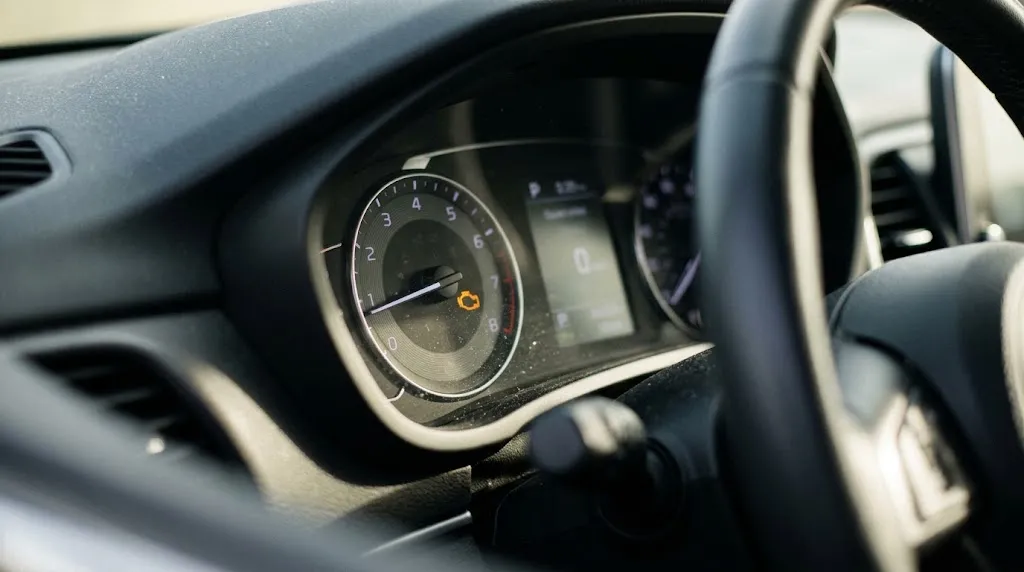
Stored codes—often referred to as hard codes or confirmed codes—indicate that a specific fault has occurred consistently across multiple drive cycles. Once a fault is verified across these repeating operational intervals, the vehicle computer locks the code into its permanent memory and illuminates the Check Engine Light on the dashboard.
Characteristics of Stored Codes
- Dashboard Indication: The Check Engine Light (Malfunction Indicator Lamp or MIL) is actively illuminated.
- Persistence: The code remains saved in the computer’s non-volatile memory even if the engine is turned off, unless cleared manually with an OBD-II scanner or after a specific number of fault-free drive cycles.
- Emissions Impact: Confirmed codes typically cause a vehicle to fail a state or provincial emissions inspection.
- Readiness Monitors: Active stored codes often prevent emission readiness monitors from setting to complete.
Stored codes provide a clear starting point for diagnosis because the fault is ongoing or has repeated enough times for the computer to confirm it is a genuine mechanical or electrical failure rather than a temporary glitch.
What Are Pending Trouble Codes?
Pending codes represent potential faults that the computer has detected during the current or most recent drive cycle, but which have not yet met the frequency threshold required to turn on the Check Engine Light.
How the Two-Trip Failure Logic Works
Most automotive manufacturers utilize a “two-trip failure” logic for emissions-related components. When a sensor detects an anomaly once, it logs a pending code (Trip 1). If the exact same fault occurs again during the next consecutive drive cycle (Trip 2), the computer promotes the pending code to a stored code and illuminates the dashboard light.
If the vehicle operates through several subsequent drive cycles without the fault recurring, the computer automatically clears the pending code from its temporary memory.
Tip
If you scan a vehicle and find pending codes with no illuminated Check Engine Light, do not immediately replace parts. Monitor the system or drive the vehicle through varying conditions to see if the code clears itself or graduates to a stored code.
Key Differences Between Stored and Pending Codes
Comparing these code categories side by side clarifies how vehicle computers evaluate system health and decide when to alert the driver.
| Feature | Pending Codes | Stored Codes |
|---|---|---|
| Check Engine Light | Off | On (Illuminated) |
| Occurrence Frequency | Detected once or intermittently | Confirmed across multiple drive cycles |
| Self-Clearing | Clears automatically after fault-free driving | Requires manual clearing or multiple clean cycles |
| Diagnostic Value | Useful for catching intermittent or emerging issues early | Essential for diagnosing active, confirmed failures |
Interpreting this data correctly helps separate temporary environmental fluctuations—such as a loose fuel cap or momentary sensor voltage drop—from permanent component failures.
Why Pending Codes Matter in Diagnosis
Pending codes offer a valuable window into early automotive diagnostics. Because they appear before the dashboard light illuminates, they allow technicians and vehicle owners to identify intermittent problems that might otherwise go unnoticed.
For example, an oxygen sensor or fuel injector may occasionally hesitate under heavy acceleration, triggering a pending misfire code. If the condition only happens once, the code disappears. However, if the pending code appears repeatedly, it signals an emerging mechanical failure that will soon turn into a stored code and trigger the Check Engine Light.
Warning
Do not clear trouble codes immediately before taking a vehicle for an emissions test. Clearing codes resets all internal readiness monitors to “incomplete,” resulting in an automatic inspection failure until the vehicle completes a full drive cycle.
How to Handle Both Code Types During Troubleshooting
When connecting an OBD-II scanner, diagnostic procedures should account for both stored and pending data to ensure complete system evaluation.
Step-by-Step Diagnostic Approach

- Record All Codes: Write down all stored and pending codes before clearing anything from the computer memory.
- Prioritize Stored Codes: Address confirmed stored codes first, as these represent active faults affecting vehicle operation or emissions.
- Investigate Pending Codes as Clues: Use pending codes to understand intermittent issues, wiring harness chafing, or failing sensors that have not yet reached the threshold for a hard code.
- Perform Visual Inspections: Check associated wiring, connectors, vacuum lines, and fluid levels related to the flagged system.
- Clear and Retest: After completing repairs, clear the codes and drive the vehicle through a complete drive cycle to verify that neither stored nor pending codes return.
Related Product
OBD2 Diagnostic Scan Tool
A reliable code reader helps identify both active stored codes and emerging pending trouble codes before dashboard lights appear.
As an Amazon Associate, we earn from qualifying purchases.
Frequently Asked Questions
Can a pending code turn into a stored code on its own?
Yes. If the underlying mechanical or electrical fault occurs again during subsequent drive cycles, the Powertrain Control Module confirms the issue, transitions the pending code into a stored code, and turns on the Check Engine Light.
Do pending codes cause a vehicle to fail emissions testing?
In most jurisdictions, pending codes alone do not cause an automatic emissions failure unless the readiness monitors associated with those systems are also incomplete. However, if a pending code graduates to a stored code during testing, it will trigger an immediate failure.
Should I clear pending codes with an OBD-II scanner?
Clearing codes manually removes both stored and pending data from the computer’s memory and resets all emission readiness monitors. It is generally better to leave pending codes in place as diagnostic clues unless you have already repaired the root cause of the issue.
Why does my scanner show pending codes when my dashboard light is off?
The Check Engine Light only illuminates when a fault is confirmed as a stored code across multiple drive cycles. Pending codes indicate that the computer has noted an anomaly once, but is waiting to see if the problem repeats before alerting the driver.
Can a loose gas cap create both pending and stored codes?
Yes. An evaporative emissions leak caused by a loose gas cap first registers as a pending code during an EVAP system self-test. If left uncorrected through multiple drive cycles, it promotes to a stored code and illuminates the Check Engine Light.
How many drive cycles are required to clear a pending code automatically?
The exact number of drive cycles varies by vehicle manufacturer and the specific monitoring system involved. Typically, if the fault does not recur within 40 warm-up cycles or several standard drive cycles, the computer automatically erases the pending code.
Conclusion
Recognizing the operational differences between stored and pending diagnostic trouble codes allows vehicle owners and technicians to diagnose problems efficiently. While stored codes point to confirmed, active failures requiring immediate attention, pending codes serve as early warning signs for intermittent issues. Monitoring both code types ensures thorough vehicle maintenance and prevents minor sensor anomalies from developing into major mechanical breakdowns.

I’m Alex Rahman, a car enthusiast and automotive writer focused on practical solutions, car tools, and real-world driving advice. I share simple and honest content to help everyday drivers make better decisions.
