How OBD2 Monitors Vehicle Emissions: What Drivers Need to Know
Quick Answer
The OBD2 system monitors vehicle emissions by continuously tracking the performance of emission-related components—such as the catalytic converter, oxygen sensors, and evaporative emissions system—using internal computer self-tests known as readiness monitors.
Understanding the Role of OBD2 in Vehicle Emissions
Modern vehicles rely heavily on computer management to ensure they run efficiently while keeping harmful pollutants out of the atmosphere. The On-Board Diagnostics second-generation (OBD2) system serves as the central brain overseeing this complex pollution-control network.
Introduced widely in the late 1990s, OBD2 standardizes how vehicle computers communicate engine health and emissions performance. Rather than waiting for a tailpipe test at a designated inspection station, the vehicle continually evaluates its own emissions control hardware during everyday driving conditions.
Knowing how this system works helps car owners understand why certain dashboard lights illuminate and what happens behind the scenes when a vehicle undergoes an emissions inspection.
How Internal Readiness Monitors Track Pollution Control
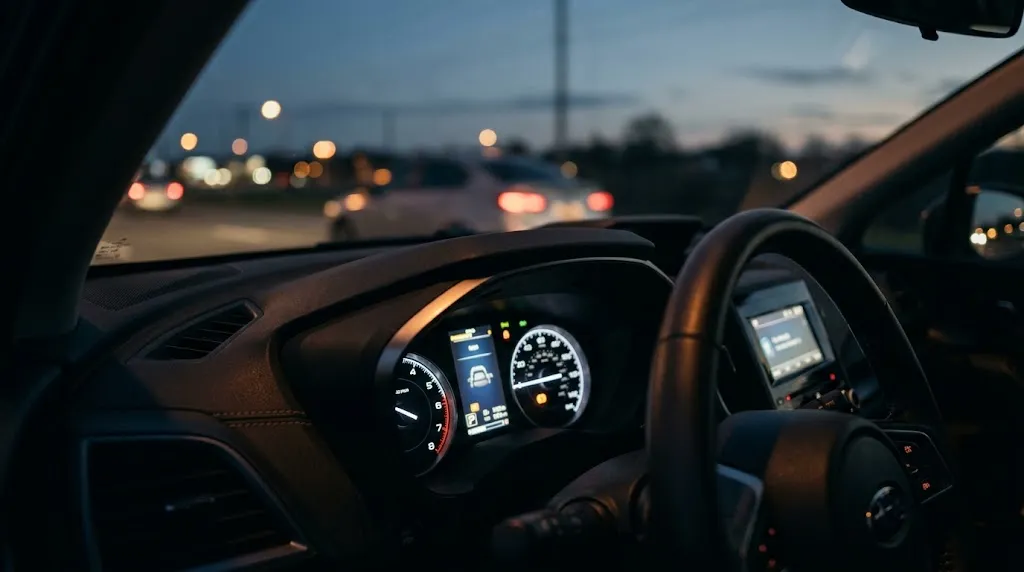
The core mechanism behind OBD2 emissions tracking is a series of self-tests called readiness monitors. These monitors check specific parts of the vehicle’s exhaust and fuel systems to ensure they function within strict environmental tolerances.
As the vehicle is driven through specific speed and load cycles, the powertrain control module (PCM) gathers data from various sensors. If a component operates outside normal parameters, the system logs a diagnostic trouble code and alerts the driver.
Monitors are generally split into two categories: continuous and non-continuous. Understanding the difference clarifies how quickly a problem is detected.
Continuous Monitors
Continuous monitors operate constantly whenever the engine is running. They evaluate components that require rapid detection to prevent immediate damage or severe emissions spikes. These include:
- Misfire monitor: Checks for unburned fuel entering the exhaust system.
- Fuel system monitor: Evaluates air-fuel ratio adjustments in real time.
- Comprehensive component monitor: Observes general input sensors like throttle position and coolant temperature.
Non-Continuous Monitors
Non-continuous monitors evaluate major emission-control devices that only run under specific driving conditions, such as highway cruising or steady deceleration. These include tests for the catalytic converter, oxygen sensors, and the evaporative emission system.
Key Components Monitored by the OBD2 System
The OBD2 network tracks several critical hardware pieces dedicated entirely to reducing vehicle emissions. Each component plays a specific role in keeping harmful gases out of the air.
Catalytic Converter Efficiency
The catalytic converter transforms toxic gases like carbon monoxide and nitrogen oxides into less harmful substances. The OBD2 system places oxygen sensors both upstream and downstream of the converter. By comparing the readings between these two sensors, the computer determines whether the converter is actively reducing pollutants.
Oxygen Sensors
Oxygen sensors measure the amount of unburned oxygen in the exhaust stream. This data allows the computer to adjust the air-fuel mixture instantly. If an oxygen sensor degrades or responds too slowly, the OBD2 system flags it because improper air-fuel ratios dramatically increase tailpipe emissions.
Evaporative Emission (EVAP) System
Fuel vapors from the gas tank can escape into the atmosphere if not contained. The EVAP system traps these vapors in a charcoal canister. The OBD2 system tests this closed loop for leaks by pressurizing or creating a vacuum in the fuel tank system to ensure no vapors escape into the air.
What Happens When an Emissions Fault is Detected?
When a monitor fails its self-test during a drive cycle, the OBD2 system logs a specific diagnostic trouble code in its memory. If the fault persists across multiple drive cycles, the computer illuminates the check engine light on the dashboard.
In cases where a severe issue could cause immediate damage to the catalytic converter—such as a heavy engine misfire—the dashboard light will flash. Drivers should address flashing warnings immediately to prevent expensive component failure.
Warning
Clearing diagnostic trouble codes with a basic scanner will reset all emission readiness monitors. Taking a vehicle to an emissions inspection immediately after clearing codes will result in a “not ready” failure.
Why Emissions Monitors Show as “Not Ready”
During an annual vehicle inspection, technicians plug a scan tool into the OBD2 port to verify that all emission monitors have completed their self-tests. If the vehicle’s battery was recently disconnected or a mechanic cleared stored codes, these monitors reset to an uncompleted state.
To change status from “not ready” to “ready,” the vehicle must be driven through a specific sequence of operating conditions—often called a drive cycle. This typically involves a mix of cold starts, city driving, steady highway cruising, and deceleration periods so every sensor can run its diagnostic routine.
How Technicians Diagnose Emissions Issues Using OBD2
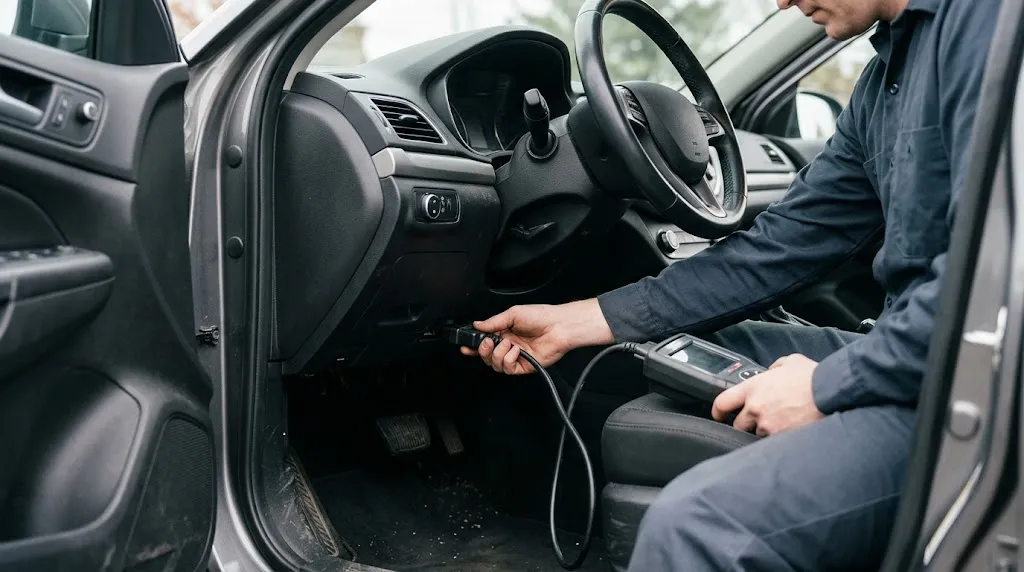
When a vehicle fails an emissions test or illuminates a check engine light, automotive technicians connect advanced diagnostic scan tools to the 16-pin OBD2 port beneath the dashboard.
Instead of guessing which part failed, the technician reads the stored trouble codes, reviews freeze-frame data showing engine conditions at the moment the fault occurred, and observes live sensor data streams. This precise data allows professionals to pinpoint whether the root cause is a faulty sensor, a wiring defect, or a failing mechanical component.
Related Product
OBD2 Diagnostic Scan Tool
A reliable code reader helps check emission monitor status and read trouble codes before visiting an inspection station.
As an Amazon Associate, we earn from qualifying purchases.
Frequently Asked Questions
Can a car pass emissions with the check engine light on?
No. An illuminated check engine light automatically causes an emissions inspection failure in almost all jurisdictions, as it indicates an active fault in the vehicle’s pollution control systems.
What is an OBD2 readiness monitor?
A readiness monitor is an internal self-test performed by the vehicle’s computer to verify that a specific emissions component—such as the catalytic converter or oxygen sensor—is functioning correctly.
How long does it take for readiness monitors to reset?
Readiness monitors typically reset after a few days of normal mixed driving that includes both city trips and sustained highway travel, though some stubborn EVAP monitors require exact manufacturer drive cycles.
Why do monitors show as “not ready” after battery replacement?
Disconnecting the battery removes power from the powertrain control module, erasing its temporary memory and resetting all self-tests back to an uncompleted status.
Do all vehicles use the OBD2 emissions monitoring system?
OBD2 is standard on all light-duty gasoline vehicles sold in the United States from 1996 onward, as well as light-duty diesel vehicles starting in 2007.
Can I check my own emissions monitors at home?
Yes. Many consumer-grade OBD2 scan tools and smartphone dongles display the real-time status of all emission readiness monitors, allowing you to check if your car is ready for an official test.
Conclusion
The OBD2 system transforms emissions testing from a static tailpipe check into an ongoing evaluation of vehicle health. By running continuous and non-continuous readiness monitors during everyday driving, the computer ensures that pollution control equipment operates as intended. Understanding how these monitors function helps drivers navigate emissions inspections, interpret dashboard warnings, and maintain their vehicles effectively.

I’m Alex Rahman, a car enthusiast and automotive writer focused on practical solutions, car tools, and real-world driving advice. I share simple and honest content to help everyday drivers make better decisions.
