
Are Cheap OBD2 Scanners Any Good? What to Expect
Quick Answer
Cheap OBD2 scanners are good for basic engine checks. They read and clear generic engine codes, show readiness status, and help you judge if a check engine light needs quick care.
- Cheap scanners read the same generic engine code as costly tools.
- They miss ABS, airbag, transmission, and maker specific codes in most cases.
- They give a code, not a proven cause, so a code needs more checks.
- They suit drivers who want a first check before a shop visit.
Are cheap OBD2 scanners any good for a driver with a check engine light and no clear plan? This guide is for drivers who want a plain answer before they spend money. You will learn what a low cost tool does well, where it stops, and when a step up makes sense.
In this article
- What does cheap mean for an OBD2 scanner?
- What can a cheap OBD2 scanner do well?
- What can a cheap OBD2 scanner not do?
- Are cheap OBD2 scanners accurate?
- Cheap vs mid-range vs pro: what changes with price?
- How to pick a cheap scanner that works?
- Mistakes that waste money with a cheap scanner
- Frequently Asked Questions
What does cheap mean for an OBD2 scanner?
Cheap means a basic code reader in the low price tier, often about $25 to $40 for a simple handheld or dongle. Cheap scanners in this tier focus on one job: read and clear generic engine codes. They use a small screen or a phone app, and they keep the controls simple.
Price alone does not tell the full story. A low cost tool from a known source can work well for basic checks. A very low cost tool with no clear support, weak build, or a poor app can drop a link, show a vague code, or fail on some cars. Check what the tool covers before you judge it by price.
Many drivers start with scanners under $50 because the first job is simple. You want to know the code, check readiness, and clear a code after a fix. If that is your full job, a cheap tool can meet it. If you need more systems, the same tool will feel thin fast.
What can a cheap OBD2 scanner do well?
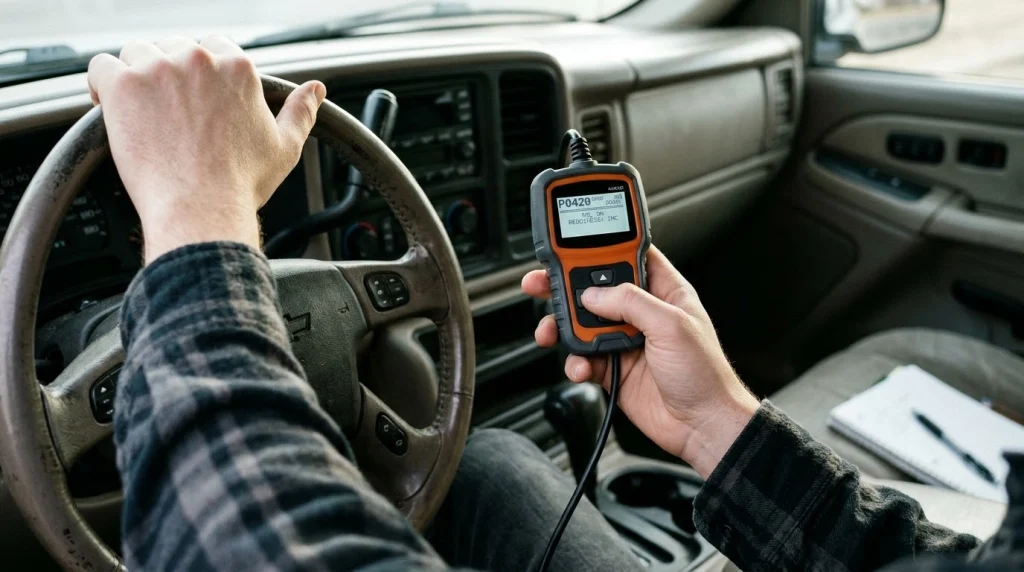
A cheap OBD2 scanner does basic engine checks well. It reads stored generic codes, shows a short code description, clears codes, and checks emissions readiness on many cars. Some units also show freeze frame data and a few live values, such as coolant temperature or engine speed.
That first check has clear value. A code tells you if the fault sits in the engine and emissions area. Readiness status tells you if the car is set for an emissions test. A stored code after a repair tells you if the fault has come back. These jobs need no deep system access.
A cheap tool also helps you talk with a shop. You can share the exact code number and note if the code is stored or pending. That note helps a tech start in the right place. It does not replace a full test, but it cuts guesswork at the first step.
Learn what scanners do before you buy, so you match the tool to the job. A reader that covers engine codes, freeze frame, and readiness fits most light checks. A tool that drops its link or hides live data will slow you down, even if the price looks right.
What can a cheap OBD2 scanner not do?
A cheap OBD2 scanner cannot reach most systems past the engine in most cases. It cannot read ABS, airbag, transmission, or body codes on many cars. It cannot run active tests, command a part to move, or reset most service items.
The limit comes from access, not from the code number. Generic engine codes use a shared standard. Other systems use maker protocols and deeper data. A basic reader lacks that access, so it shows no code even when a fault sits in another system. That gap explains why a car can have a warning light and a clean engine scan.
Cheap tools also lack depth in live data. They may show a few values at a slow rate, with no graph and no per cylinder misfire count. That makes it hard to catch a fault that comes and goes. A deeper tool shows more values at once, so you can see how fuel trim, oxygen voltage, and engine load move together.
If your scan shows engine codes only, the tool has hit its normal limit. The next step is a tool with wider system cover, or a shop scan. Do not treat a blank result in other systems as proof that those systems are fine.
Tip
Write down the code, the freeze frame, and the readiness status before you clear a code.
Are cheap OBD2 scanners accurate?
Cheap OBD2 scanners are accurate for the core job of reading a stored generic code number. The code number follows a shared standard, so a low cost reader can pull the same P code as a costly tool. The risk sits in the short description and the suggested cause on the screen.
A code names a circuit and a symptom, not a failed part. A lean code can point to a vacuum leak, a fuel fault, or a sensor that reports a true lean state. A misfire code can point to a coil, a plug, fuel, or air. A cheap tool may name one part, and that guess can lead you to buy the wrong part.
Cheap scanners read codes accurately for stored codes, but they lack live data depth, bidirectional tests, and maker specific access. That view matches the core point here: the reading can be right while the next step stays wrong. Use the code as a clue, then check live data, look at the freeze frame, and test the likely cause.
Accuracy also drops with poor clones and weak apps. A bad dongle can lose its link, miss data, or show a vague code text. Buy from a source you trust, check phone support, and test the tool on your car soon after you get it. A tool that fails to link is not a bargain.
Cheap vs mid-range vs pro: what changes with price?
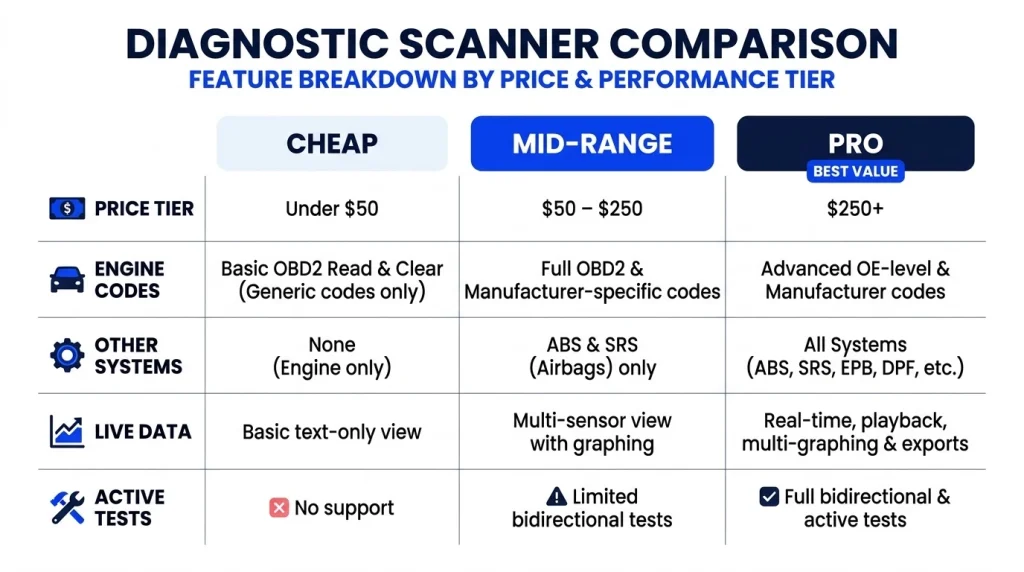
Price changes depth, system cover, and control, not the generic engine code itself. A cheap tool reads and clears engine codes. A mid-range tool adds live data, graphs, and some other systems. A pro tool adds full system access, active tests, and service resets.
The table below compares the three tiers on the traits that shape a buy choice.
| Trait | Cheap | Mid-range | Pro |
|---|---|---|---|
| Price tier | About $25 to $40 | About $70 to $150 | About $250 to $500 |
| Engine codes | Yes, generic codes | Yes, plus maker codes | Yes, full code cover |
| Other systems | Engine only in most cases | Some ABS and airbag cover | Full system cover |
| Live data | Basic values, slow rate | Graphs and more values | Full live data and tests |
| Active tests | No | Limited in most cases | Yes, bidirectional control |
The takeaway is simple: buy the cheapest tool that does your job, and step up only when the job needs more depth. The same generic codes appear on cheap and costly tools, while maker codes, live data depth, and active tests set the tiers apart.
Cheap reader
Best for: first engine check
- Reads generic engine codes
- Clears codes after a fix
- Checks readiness status
Mid-range tool
Best for: home diagnosis
- Live data with graphs
- More maker code cover
- Some ABS and airbag cover
Pro tool
Best for: full shop work
- Full system access
- Active tests and resets
- Service functions
How to pick a cheap scanner that works?
A good cheap scanner fits your car, your phone, and your job. Check the port type, the car make and model, and the app support before you buy. A tool that lists your car and shows clear update terms is a safer pick than a tool with vague claims.
Look for these traits in a low cost tool. Read and clear generic codes, show freeze frame, check readiness, and show at least a few live values. A clear screen or a clean app helps you read the code fast. A known seller and a clear return path help if the tool fails to link.
Check the app if you buy a dongle. A dongle is only as good as its app. A weak app can drop the link, show ads, or miss data. A solid app shows live data, stores past scans, and updates for more cars. Test the link, read a code, and check live data on the first day.
Skip tools that claim dealer level work at a low price. A $75 tool cannot do dealer programming and full coding. That claim is a sign of hype, not depth. Pick a tool that states its limits in plain words.
If you
Want a first check for a check engine light
Choose a cheap reader, because it reads the generic code and readiness fast.
If you
Need to find why a code keeps coming back
Choose a mid-range tool, because live data and graphs show the cause.
If you
Have an ABS, airbag, or transmission light
Choose a tool with those systems, because a cheap reader will miss them.
Mistakes that waste money with a cheap scanner
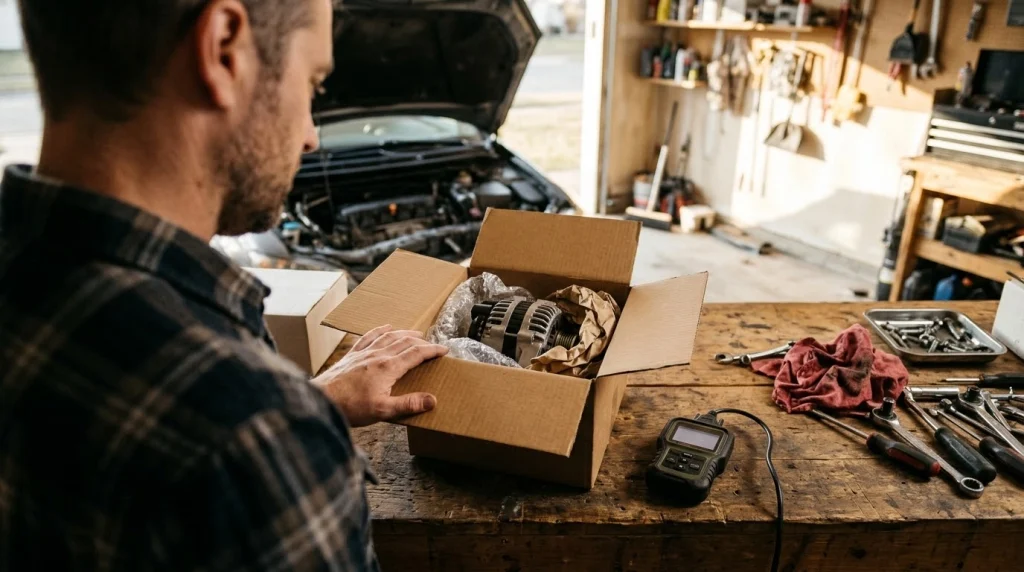
The costliest mistake is to buy the part named on the screen. A code points to a circuit, and the part named in the short text may be fine. Check live data, check the freeze frame, and test the part before you spend. A vacuum leak can set a lean code, and a sensor can report that leak with care.
Clearing a code to hide a light is a second mistake. Clearing wipes readiness monitors and erases freeze frame data. That can fail an emissions test in a new way, and it takes away the data a tech needs. Clear a code only after a fix, then drive and check if it returns.
Leaving a cheap dongle in the port for weeks is a third risk. Some low cost dongles draw power and can drain a battery over time. Unplug the dongle after each use. That small step takes seconds and removes the risk.
Learn the signs of cheap adapter damage and stop use if the tool runs hot, drops its link, or acts odd. A tool that harms the port or drains the battery costs more than it saves. Replace it with a known tool that fits your car.
Warning
Do not clear codes before an emissions test or a shop visit. Clearing erases freeze frame data and resets readiness monitors.
OBD2 Scanner
A basic OBD2 scanner helps you read engine codes and check readiness before a shop visit.
Frequently Asked Questions
Can a cheap OBD2 scanner read my check engine light?
A cheap OBD2 scanner can read a check engine light caused by a generic engine fault. It shows the code number, a short text, and readiness status in most cases. It cannot read faults in ABS, airbag, or transmission systems on most cars.
Will a cheap scanner clear the check engine light?
A cheap scanner can clear a stored engine code and turn off the check engine light in most cases. Clearing the code does not fix the fault, so the light can return if the cause stays. Clear codes only after a fix, then check if the code returns.
Do cheap OBD2 scanners work on all cars?
Cheap scanners work on cars with a standard OBD2 port and generic engine codes in most cases. They may miss maker codes, new protocols, and other systems on some cars. Check the tool list for your make, model, and car type before you buy.
Can a cheap scanner damage my car?
A cheap scanner that only reads codes poses low risk to a car in normal use. Risk rises with a poor dongle left in the port, a bad link, or a tool used for tests it cannot do. Unplug the dongle after use and stop if the tool runs hot or drops its link.
Should I buy a cheap scanner or a mid-range tool?
Buy a cheap scanner if you only need engine codes and readiness checks for one car. Buy a mid-range tool if you want live data, graphs, and some ABS or airbag cover. Match the tool to the job, not to the price alone.
Why does my cheap scanner show no codes?
A cheap scanner shows no codes when the fault sits outside the engine system or when the code is pending. It can also show no code if the link fails or the fault needs a drive cycle to set. Check the link, check readiness, and scan again after a short drive.
Conclusion
Cheap OBD2 scanners are good for basic engine checks, and weak for deep diagnosis. If you want a first check for a check engine light, choose a simple reader with clear code, freeze frame, and readiness support.

I’m Alex Rahman, a car enthusiast and automotive writer focused on practical solutions, car tools, and real-world driving advice. I share simple and honest content to help everyday drivers make better decisions.
