What Does Incomplete Readiness Mean? OBD2 Monitors Guide
Quick Answer
Incomplete readiness means the vehicle’s onboard computer has not finished running self-tests on its emission control systems. This typically happens after the battery has been disconnected, a diagnostic trouble code was recently cleared, or the vehicle’s power was reset, preventing it from passing an official emissions inspection until specific driving conditions are met.
Understanding OBD2 Readiness Monitors
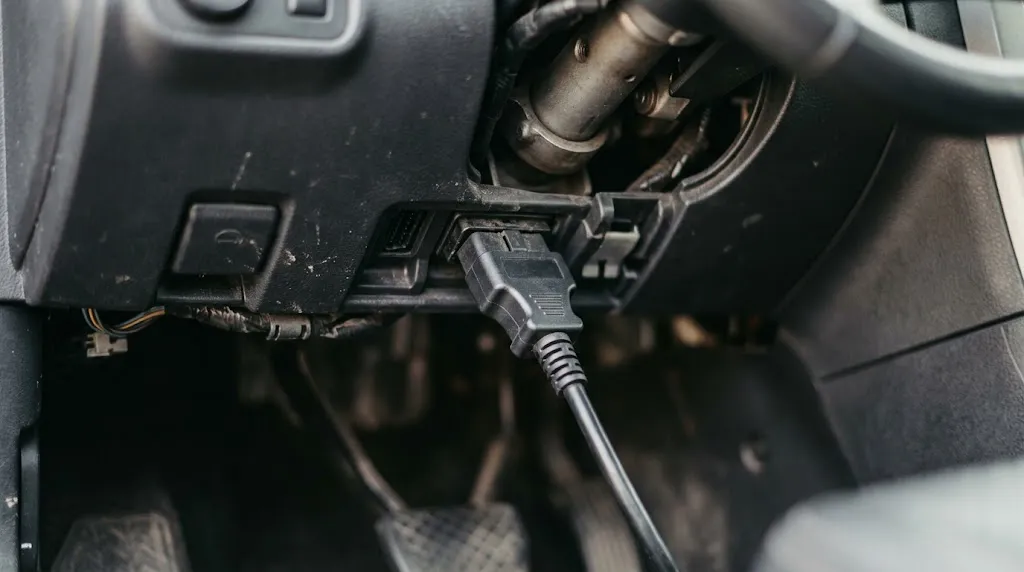
When you take a modern vehicle to an emissions testing station, the technician plugs an OBD2 scan tool into your car’s diagnostic port. Instead of just checking for active check engine lights, the system inspects internal self-diagnostic tests known as readiness monitors.
These monitors check various components of your vehicle’s emissions system, including the catalytic converter, oxygen sensors, evaporative emissions (EVAP) system, and exhaust gas recirculation. If a monitor shows as “incomplete,” it means the computer hasn’t gathered enough driving data to verify whether that specific system is operating correctly.
An incomplete status is not necessarily a mechanical failure. Rather, it indicates that the car’s computer needs more time and specific driving conditions—often called a “drive cycle”—to complete its automated self-checks.
Why Do Readiness Monitors Become Incomplete?
There are several common reasons why your car’s diagnostic monitors might reset to an incomplete state. Understanding what triggered the reset helps determine how long it will take to clear them.
The most frequent cause is a recent battery disconnection or replacement. When power to the Powertrain Control Module (PCM) is cut, all stored diagnostic data and monitor statuses are wiped clean. Similarly, if a mechanic or auto parts store clears diagnostic trouble codes (DTCs) using a scan tool after fixing an issue, the readiness monitors instantly reset to incomplete.
Key Insight
Clearing a check engine code immediately before an emissions test guarantees a failure. Even if the underlying problem is fixed, the reset turns all monitors to incomplete, which testing computers flag instantly.
Other potential causes include a weak battery that dips in voltage during engine cranking, blown fuses powering the engine computer memory, or internal PCM software glitches. If your car loses power intermittently, the monitors will constantly restart their testing sequences.
What Is an OBD2 Drive Cycle?
To change an incomplete monitor to complete, the vehicle must undergo a specific sequence of operations known as a drive cycle. Manufacturers design these cycles to test different sensors under varying loads, speeds, and temperatures.
A typical drive cycle involves starting a cold engine, idling for a specified period, accelerating smoothly to highway speeds, maintaining a steady cruise, and then decelerating without aggressively applying the brakes. Because every auto manufacturer has its own proprietary drive cycle formula, there is no universal recipe that works identically for every make and model.
Fortunately, everyday mixed driving—combining city commutes with short highway trips over the course of several days—will naturally trigger most monitors to complete their checks.
How to Complete Monitors Quickly
If you need to get your readiness monitors to set quickly for an upcoming inspection, normal driving might take too long. You can encourage the computer to run its checks faster by following structured steps:
- Ensure your fuel tank is between one-quarter and three-quarters full, as the EVAP monitor often will not run if fuel is too low or completely full.
- Start the vehicle cold and let it idle uninterrupted for three to five minutes with the rear defroster and air conditioning turned off.
- Drive on a highway at a steady speed between 55 and 60 mph for approximately 10 to 15 minutes without using cruise control if possible.
- Perform a safe, gradual deceleration from highway speeds down to a complete stop without touching the parking brake.
- Check the status using an inexpensive OBD2 code reader capable of viewing live monitor status before heading back to the testing facility.
Common Mistakes That Prevent Monitors from Setting
Many drivers struggle for weeks trying to clear stubborn monitors because of simple, avoidable mistakes. Recognizing these pitfalls saves time and frustration.
Turning off the engine too frequently during the drive cycle interrupts the testing algorithm. Many monitors require uninterrupted runtime under specific thermal thresholds. Additionally, aggressive throttle inputs or frequent stop-and-go traffic can prevent high-speed monitors, such as the catalytic converter monitor, from initializing.
Warning
Avoid disconnecting your car battery or letting it die while trying to set monitors. Doing so erases all accumulated progress, forcing you to start the entire drive cycle sequence from scratch.
Another common issue involves the EVAP monitor. This specific test relies on ambient temperature changes and fuel tank pressure stabilization, meaning it often requires an overnight soak with the vehicle completely turned off before it will run.
Allowed Incomplete Monitors During Emissions Testing

Not every single monitor must be complete for your vehicle to pass inspection. Regulations vary slightly by region and vehicle model year, but general allowances exist.
For most vehicles manufactured after 2001, state emissions programs allow exactly one monitor to remain incomplete (usually the EVAP monitor) and still pass inspection. Older vehicles from the late 1990s may allow up to two incomplete monitors. However, if two or more essential monitors—such as the oxygen sensor or catalyst monitor—remain incomplete, the testing system will automatically reject the car.
You can check your local Department of Motor Vehicles or emissions testing guidelines to confirm the exact threshold accepted in your jurisdiction.
Related Product
OBD2 Diagnostic Scanner and Code Reader
Verify your car’s readiness monitor status at home before driving to the testing station.
As an Amazon Associate, we earn from qualifying purchases.
Frequently Asked Questions
Can I pass an emissions test with incomplete readiness monitors?
In most cases, you can pass if only one non-continuous monitor (usually the EVAP monitor) is incomplete. If multiple monitors are incomplete, the testing computer will fail or reject the vehicle immediately.
How long does it take for readiness monitors to clear?
Monitors typically clear within 50 to 100 miles of mixed city and highway driving. However, certain monitors like the EVAP system may require multiple cold starts and overnight parking to finalize.
Why won’t my EVAP monitor turn to complete?
The EVAP monitor is notoriously difficult to set because it requires specific fuel levels (usually between 1/4 and 3/4 tank), ambient temperature ranges, and an extended period of vehicle soak time with the engine off.
Does clearing codes cause incomplete readiness?
Yes. Using an OBD2 scanner to clear a trouble code instantly resets all readiness monitors to an incomplete state, even if the underlying mechanical repair was completed successfully.
Can a bad battery cause monitors to stay incomplete?
Yes. If your battery voltage drops too low during engine cranking, it can cause the powertrain control module to reset its memory, erasing completed monitor statuses and starting the cycle over.
Do I need a special tool to check monitor status?
While basic code readers only show fault codes, most modern mid-range OBD2 scanners feature a dedicated I/M readiness status screen that displays real-time green or red indicators for each monitor.
Conclusion
Incomplete readiness monitors simply reflect that your vehicle’s computer needs more operational data following a power loss or code reset. By understanding how drive cycles work and ensuring your fuel level is appropriate, you can systematically satisfy the necessary self-tests. Checking your monitor status at home before visiting an inspection station helps you avoid wasted trips and ensures your vehicle passes smoothly.

I’m Alex Rahman, a car enthusiast and automotive writer focused on practical solutions, car tools, and real-world driving advice. I share simple and honest content to help everyday drivers make better decisions.
