Can You Clear Diagnostic Codes Without Fixing the Problem?
Quick Answer
Yes, you can clear diagnostic trouble codes (DTCs) from a vehicle’s computer without fixing the underlying problem using an OBD-II scanner or by resetting the battery. However, erasing the code simply turns off the Check Engine Light temporarily; it does not repair the mechanical or electrical fault. Once the engine control unit (ECU) runs its routine diagnostic self-tests and detects the unresolved issue again, the warning light and code will return.
What Actually Happens When You Clear Diagnostic Trouble Codes?
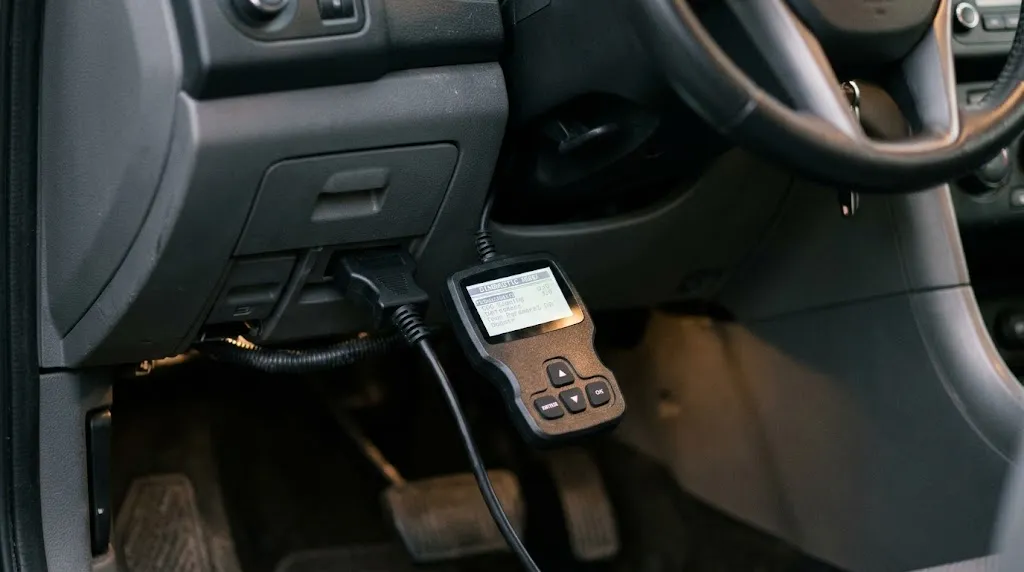
When an automotive sensor detects an abnormality outside normal operating parameters, the engine control unit records a diagnostic trouble code in its memory and illuminates the Check Engine Light on the dashboard.
Using a handheld OBD-II code reader, a smartphone diagnostic app, or disconnecting the vehicle battery erases this stored data from the computer’s volatile memory. From the perspective of the car’s electronics, the history of that specific fault is wiped clean.
However, clearing the code does not alter the physical reality of the vehicle. If a fuel injector is clogged, an oxygen sensor is failing, or an EVAP leak is present, the physical condition remains completely unchanged. Wiping the memory merely resets the computer’s record book, giving you a temporary blank slate rather than a permanent fix.
Why Do Check Engine Light Codes Return After Being Cleared?
Modern vehicles continuously monitor their own systems while the engine is running. These ongoing diagnostic routines are called “monitors.” When you clear a code, all readiness monitors are also reset to an “incomplete” or “not ready” status.
As you drive, the ECU initiates self-tests for different systems—such as the catalytic converter, oxygen sensors, evaporative emissions system, and EGR system. For a test to run successfully, specific driving conditions must be met, including vehicle speed, engine temperature, throttle position, and fuel level.
Once the car completes these drive cycles and retests the faulty component, the computer will instantly recognize that the original problem is still present. The moment the fault threshold is crossed again, the ECU triggers the Check Engine Light and logs the exact same trouble code.
The Hidden Risks of Clearing Codes Without Repairing the Issue
Relying on code clearing as a shortcut instead of performing proper repairs introduces several distinct risks for vehicle longevity, safety, and financial upkeep.
- Masking Progressive Damage: Ignoring a powertrain code can allow a minor issue, such as a small vacuum leak or a slightly misfiring cylinder, to cause severe long-term wear on expensive components like catalytic converters or engine valves.
- Ignored Safety Faults: Some codes relate to critical emissions, braking assistance, or temperature regulation. Deleting them without investigation leaves you driving with unresolved mechanical risks.
- Wasted Time and Money: Repeatedly plugging in a scanner to clear persistent codes does nothing to solve the root cause, leading to unnecessary frustration during routine vehicle operation.
- False Sense of Security: Driving with a cleared dashboard may make you believe a vehicle is healthy when it is actually on the verge of entering “limp mode” or failing unexpectedly.
Warning
Never attempt to clear codes immediately before heading to an official emissions inspection. Wiping diagnostic memory resets all readiness monitors to “not ready,” which results in an instant inspection failure.
Can You Trick an Emissions Test by Clearing Codes?
A common misconception is that clearing trouble codes will help a car pass an emissions inspection. In reality, state inspection stations check two things: whether the Check Engine Light is illuminated and whether the vehicle’s internal OBD-II readiness monitors have completed their self-tests.
When you clear codes, those monitors are wiped and set to “not ready.” Modern inspection computers automatically reject vehicles with incomplete readiness monitors. To make the monitors report “ready,” you must drive the car through specific drive cycles under varied road conditions. During that driving process, if the underlying problem is still present, the Check Engine Light will turn back on long before the monitors have a chance to finish.
When Is It Safe or Useful to Clear a Code?
While clearing codes without fixing the problem is generally ineffective for permanent repairs, there are specific scenarios where resetting the computer is a standard part of vehicle maintenance:
- Verifying Intermittent Flukes: Occasionally, a temporary sensor reading fluctuation caused by moisture, extreme weather, or electrical interference can trigger a one-time code. Clearing it helps determine if it was a true anomaly or a recurring mechanical fault.
- Post-Repair Verification: After you or a mechanic successfully repair a problem (such as replacing a loose gas cap or swapping a faulty oxygen sensor), clearing the code resets the system so you can confirm the repair solved the issue permanently.
- Battery Replacement Resets: Disconnecting the battery during electrical work often triggers miscellaneous low-voltage codes that need to be cleared once stable power is restored.
Tip
Always write down or take a photo of the specific trouble codes before clearing them. Even if you plan to investigate later, having the exact code number saves valuable diagnostic time.
How to Properly Diagnose Instead of Just Resetting
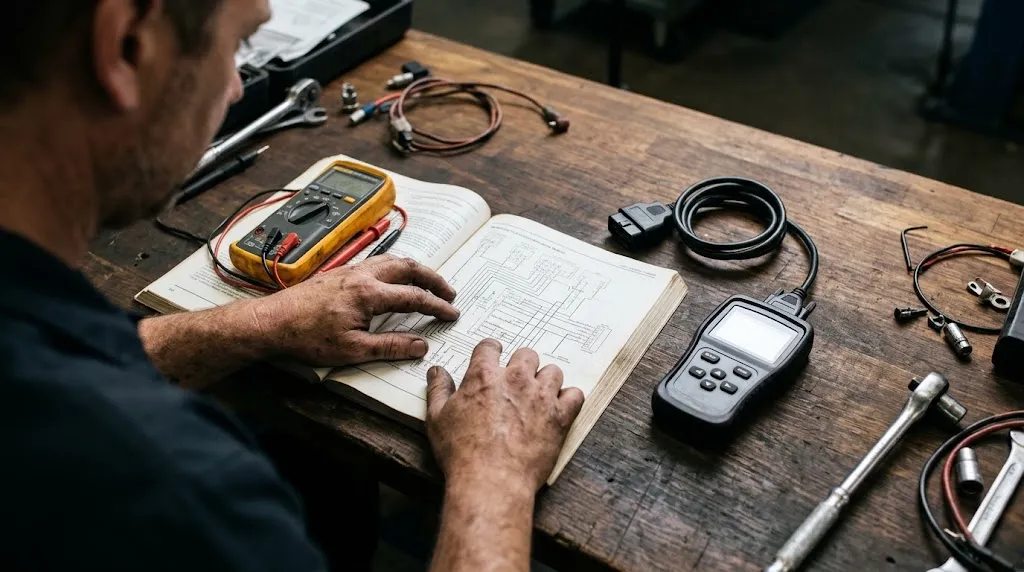
If you find yourself frequently reaching for an OBD-II scanner to wipe away warning lights, it is time to shift from temporary concealment to proper troubleshooting. Follow a structured approach to identify what is actually wrong with your vehicle.
First, look up the specific alphanumeric code definition (such as P0300 for random engine misfires or P0442 for a small EVAP leak). Research the most common symptoms and verified fixes associated with that specific code for your vehicle’s make, model, and year. Inspect related wiring harnesses, fuses, fluid levels, and physical connections before replacing expensive parts.
Once you address the root cause—whether that means tightening a loose hose, cleaning a dirty mass air flow sensor, or replacing a worn ignition coil—then clearing the code serves as a clean finish line to verify that your repair was successful.
Related Product
OBD2 Diagnostic Code Readers
A reliable OBD2 scanner helps you read trouble codes, check live sensor data, and monitor readiness status to properly diagnose vehicle problems.
As an Amazon Associate, we earn from qualifying purchases.
Frequently Asked Questions
What is the difference between pending codes and stored codes?
Pending codes indicate that a sensor has detected an irregular reading once, but the computer needs to see the issue happen multiple times before illuminating the Check Engine Light. Stored codes are confirmed faults that have triggered the dashboard warning light. Clearing codes erases both types from the vehicle’s active memory.
Can disconnecting the car battery permanently clear codes?
Disconnecting the battery for 15 to 30 minutes can reset the vehicle computer and clear temporary diagnostic trouble codes in many older and some modern vehicles. However, it does not erase permanent codes mandated on newer cars, nor does it fix any underlying mechanical malfunctions causing the issue.
What are permanent DTCs and can they be cleared with a scanner?
Permanent DTCs are specific diagnostic codes stored in non-volatile memory by the ECU to prevent drivers from fraudulently clearing codes to pass emissions tests. Standard code readers usually cannot erase permanent codes; they automatically disappear only after the vehicle completes enough successful drive cycles proving the underlying problem is fixed.
Will my car run differently after I clear a code?
In most cases, clearing a code does not change how the engine runs because the physical fault remains. However, if the car’s computer was operating in a conservative “limp mode” due to a severe safety or emissions fault, clearing the code might temporarily restore normal throttle response until the computer re-detects the fault.
Is it illegal to clear codes before selling a car?
While clearing codes right before a private sale to hide a known major mechanical defect from a buyer may be considered fraudulent or deceptive in certain jurisdictions, simply resetting a computer after performing maintenance or testing is standard practice. Transparency with potential buyers about recent repairs and diagnostic history is always recommended.
How many driving cycles does it take for a code to return?
The number of drive cycles required for a Check Engine Light to return varies widely depending on the specific vehicle manufacturer and the nature of the fault. Some continuous monitors detect a problem within seconds of starting the engine, while other complex emissions monitors require specific driving conditions over several days.
Conclusion
Clearing diagnostic trouble codes without fixing the underlying problem is ultimately a temporary workaround that only turns off the dashboard warning light. Because modern vehicle computers continuously run self-diagnostic tests and monitor sensor inputs during normal operation, any unresolved mechanical or electrical fault will inevitably trigger the code and Check Engine Light to return. Instead of relying on resets to mask issues, use code readers as diagnostic tools to identify root causes, complete necessary repairs, and ensure your vehicle remains safe, efficient, and compliant with emissions standards.

I’m Alex Rahman, a car enthusiast and automotive writer focused on practical solutions, car tools, and real-world driving advice. I share simple and honest content to help everyday drivers make better decisions.
