What Is a Permanent OBD2 Code? How It Works & How to Clear It
Quick Answer
A permanent OBD2 code (officially designated as Mode $0A) is a diagnostic trouble code stored in your vehicle’s Powertrain Control Module that cannot be cleared with a standard OBD2 scanner or by disconnecting the battery. It is designed by regulators to prevent emissions test tampering; the computer will only erase it automatically once the vehicle completes specific drive cycles and confirms the underlying repair has fixed the issue.
Understanding the Basics of OBD2 Trouble Codes
Modern vehicles rely on sophisticated On-Board Diagnostics (OBD2) systems to monitor engine performance, emissions equipment, and electrical sensors. When something goes wrong, the computer logs a Diagnostic Trouble Code (DTC) and typically illuminates the check engine light on your dashboard.
However, not all trouble codes behave the same way. Understanding how your car categorizes these codes helps clarify why a check engine light behaves unpredictably after a repair or why an emissions test might still fail even when the warning light has turned off.
Traditionally, drivers and technicians dealt with standard stored codes and pending codes. A stored code remains active until manually cleared using an OBD2 scan tool or by resetting the vehicle’s battery power. Permanent codes, introduced to comply with strict environmental regulations, operate under an entirely different set of rules.
What Exactly Is a Permanent OBD2 Code (Mode $0A)?
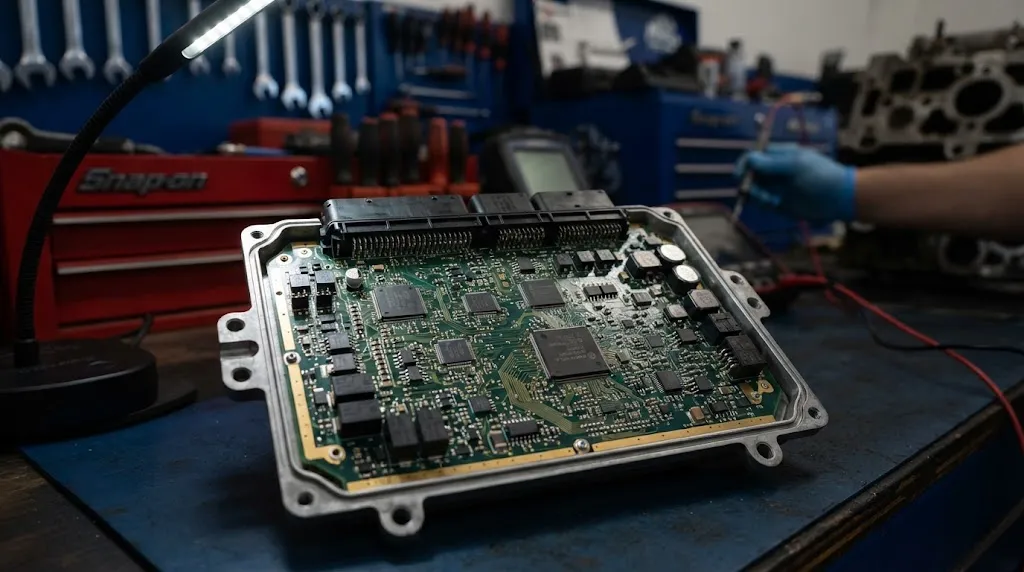
A permanent OBD2 code—technically categorized under SAE standard J2079 as Mode $0A—is a special type of diagnostic trouble code. While standard codes can be wiped away instantly with a handheld reader, permanent codes are locked away in a read-protected section of the Powertrain Control Module (PCM).
Regulatory bodies such as the California Air Resources Board (CARB) and the Environmental Protection Agency (EPA) mandated permanent codes starting around model year 2010 for light-duty vehicles. Their primary purpose is to stop unscrupulous motorists from clearing emissions-related trouble codes right before visiting an inspection station, which previously allowed vehicles with broken emissions components to pass temporarily before the computer could re-evaluate them.
Because permanent codes cannot be erased manually, inspection stations and state testing computers recognize them instantly. Even if your check engine light is off and your dashboard looks completely normal, an emissions testing center scanning your OBD2 port will see the permanent code and flag the vehicle for a failure until the vehicle’s internal self-tests pass.
How Permanent Codes Differ From Stored and Pending Codes
To understand why permanent codes cause so much confusion, it helps to compare them directly against the other categories of diagnostic trouble codes stored by your car’s computer.
Pending codes represent an intermittent fault. The computer has noticed an irregular reading once or twice, but it has not happened frequently enough to trigger the check engine light. If the condition stops occurring, the pending code deletes itself automatically.
Stored codes occur when the fault happens consistently over multiple drive cycles. At this point, the check engine light turns on. These codes remain in the active memory until an operator clears them with a scan tool or unplugs the battery for an extended period.
Permanent codes are spawned directly from stored codes. When a fault triggers a stored code, the computer often writes a corresponding permanent code. While you can delete the stored code and turn off the check engine light, the permanent code stays locked in place until the car’s computer independently verifies that the underlying mechanical or electrical problem has been permanently resolved.
Why You Cannot Clear Permanent Codes Manually
Many vehicle owners attempt to clear permanent codes using standard diagnostic tools or by disconnecting the negative battery terminal. While these methods successfully extinguish the check engine light and wipe stored codes, they have no effect on permanent codes.
The vehicle’s software architecture isolates permanent codes to prevent tampering. If a mechanic or vehicle owner could wipe a permanent code with the push of a button, vehicles with failing catalytic converters, faulty oxygen sensors, or leaking EVAP systems could easily bypass mandatory environmental inspections.
Furthermore, disconnecting the battery often creates a secondary problem: it resets all of the vehicle’s internal readiness monitors. To pass an emissions test, your car needs those monitors to be in a “ready” or “complete” state. Wiping the memory forces you to start the monitoring cycle all over again, delaying your ability to pass an inspection.
How Permanent OBD2 Codes Are Automatically Cleared
Because manual deletion is impossible, the only way to remove a permanent code is to let the vehicle do the work itself. The Powertrain Control Module must run specific diagnostic routines—known as drive cycles—and confirm that the monitored component is functioning correctly across multiple operating conditions.
The exact requirements vary depending on the vehicle manufacturer, model year, and the specific subsystem involved (such as the EGR valve, secondary air injection, or catalytic converter). However, the general clearing process requires several distinct steps:
- Repair the Root Cause: Fixing the underlying mechanical or electrical issue that originally triggered the trouble code is mandatory.
- Clear Stored Codes: Using a scan tool to clear active stored codes and turn off the check engine light allows the monitoring sequence to start fresh.
- Complete General Driving Cycles: Normal daily driving involving a mix of city streets, highway cruising, and cold starts helps the computer execute its background self-tests.
- Pass Specific Monitor Tests: The relevant emissions monitors must run and pass during these trips. Once the computer verifies success over a set number of trouble-free driving cycles, it automatically erases the permanent code.
What Is an OBD2 Drive Cycle and Why Does It Matter?

An OBD2 drive cycle is a specific sequence of operations that allows the vehicle’s computer to test various emissions-related systems. Every manufacturer designs unique drive cycles, but most share common operational phases.
A typical drive cycle starts with a cold engine start, allowing the heated oxygen sensors and coolant temperature sensors to register temperature changes. Next, the vehicle must be driven at a steady highway speed for a sustained period without excessive throttle variation. Finally, decelerating without applying the brakes allows the computer to evaluate fuel shut-off parameters and inertia sensors.
If you make a repair but only drive short trips around town, the computer may never get the ideal parameters it needs to run its internal diagnostics. This explains why permanent codes sometimes linger for weeks even though the car appears to run perfectly fine.
Common Misconceptions About Permanent Codes
Misinformation regarding OBD2 codes leads many motorists to waste time and money attempting ineffective fixes. Clarifying these common misconceptions prevents unnecessary frustration.
One widespread myth is that a permanent code means your car is still broken. In reality, a permanent code often remains long after a successful repair simply because the vehicle has not yet completed the specific driving conditions required to verify the fix.
Another common belief is that sophisticated professional scan tools can bypass the software lock and delete permanent codes instantly. While advanced dealer-level software can read deep diagnostic parameters, regulatory design prevents even high-end diagnostic tools from force-clearing a Mode $0A permanent code without completing the verification protocol.
Related Product
OBD2 Scanner and Code Reader
An advanced OBD2 diagnostic scan tool helps you monitor live data, check readiness monitor status, and track whether your vehicle has completed the necessary drive cycles after a repair.
As an Amazon Associate, we earn from qualifying purchases.
Frequently Asked Questions
Can you pass an emissions test with a permanent OBD2 code?
In most jurisdictions with modern computerized inspection programs, you cannot pass emissions testing while a permanent code is present in the vehicle’s computer. Even if your check engine light is off, the testing equipment reads Mode $0A codes and will flag the vehicle as not ready or non-compliant.
How long does it take for a permanent code to clear itself?
The time required depends entirely on your driving habits and how quickly your car completes its required monitoring cycles. It can take anywhere from a few days of normal commuting to several weeks of varied highway and city driving before the computer runs all necessary self-tests and automatically deletes the code.
Do permanent codes turn on the check engine light?
No, permanent codes do not automatically illuminate the check engine light by themselves. The check engine light is controlled by stored active codes. A permanent code can exist quietly in the background while your dashboard warning light remains completely off.
Can a mechanic force a permanent code to erase?
Certified automotive technicians cannot force a permanent code to delete using standard diagnostic equipment. Federal and international regulations require these codes to remain locked until the vehicle’s internal computer successfully verifies that the repair has solved the fault through automated self-testing.
What happens if I disconnect my car battery?
Disconnecting your car battery will erase stored codes and turn off the check engine light temporarily, but it will not clear a permanent code. Furthermore, removing battery power resets all of the vehicle’s internal readiness monitors, forcing your vehicle to restart its entire monitoring cycle all over again.
Why did my permanent code return after being cleared?
If a permanent code returns or refuses to clear, it usually indicates that the underlying mechanical or electrical issue was not fully resolved, or that the specific drive cycle required to test that component has not yet been properly completed.
Conclusion
Permanent OBD2 codes serve as a vital safeguard for environmental emissions compliance, preventing temporary fixes from bypassing mandatory vehicle inspections. While they can cause frustration for drivers trying to pass a quick smog check, understanding how they function clarifies the repair process. Rather than looking for shortcuts to wipe the code manually, the most effective approach is addressing the root mechanical problem, verifying the repair with a quality diagnostic scan tool, and completing the necessary driving cycles to let your vehicle’s computer clear the code naturally.

I’m Alex Rahman, a car enthusiast and automotive writer focused on practical solutions, car tools, and real-world driving advice. I share simple and honest content to help everyday drivers make better decisions.
